Morning Beat
Activity
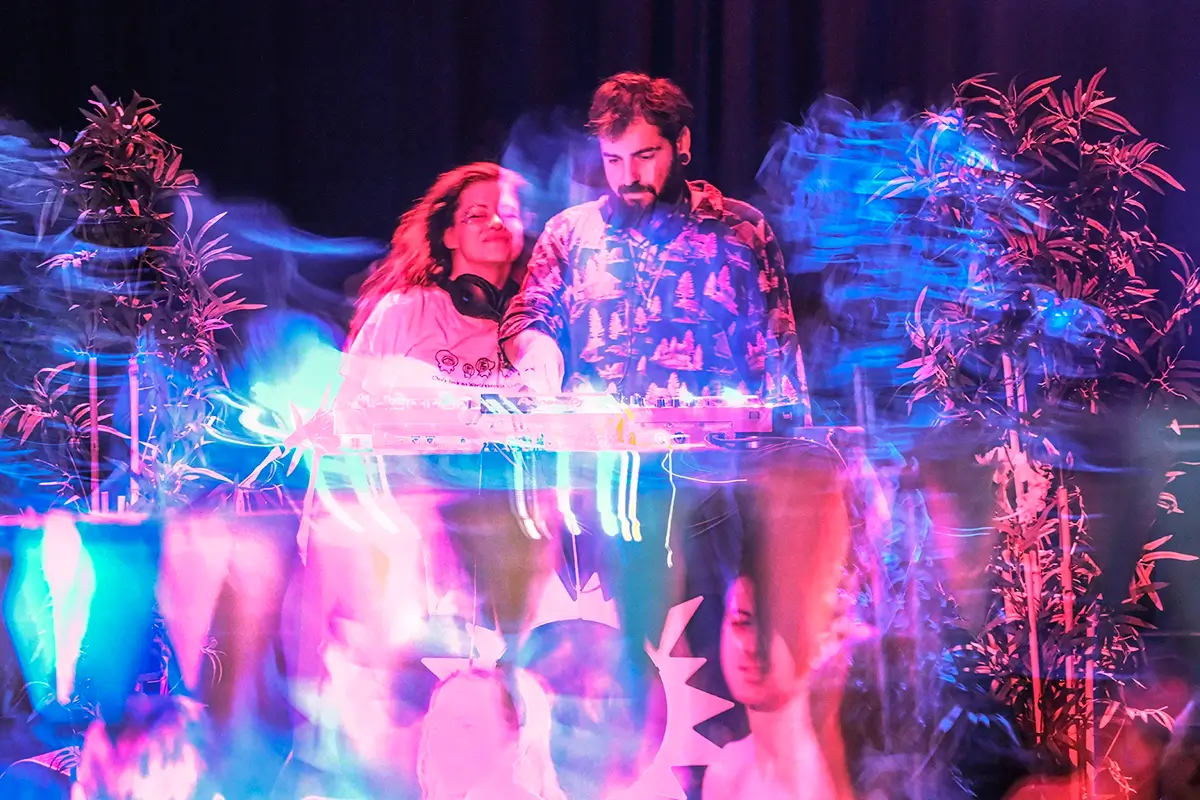
Experience how dance can strengthen both body and mind. When we move to music, hormones are released that boost the immune system, reduce stress and give a real feeling of happiness. On the dance floor there are no requirements – just freedom, rhythm and space to meet yourself.
Here we meet TheFunnyPack, the DJ duo with Etienne Sarrazin from Quantaloop and Øyunn Iversen, the founder of Morning Beat.
TheFunnyPack unites Øyunn's lively and eclectic musical style with Etienne's deep roots in the psychedelic techno scene.
In light of this, antipodes café joins the party and directs visual material related to the Women's Health Festival out of the museum's archives and into tunes we can dance to with our eyes open.
Stencil workshop
Activity
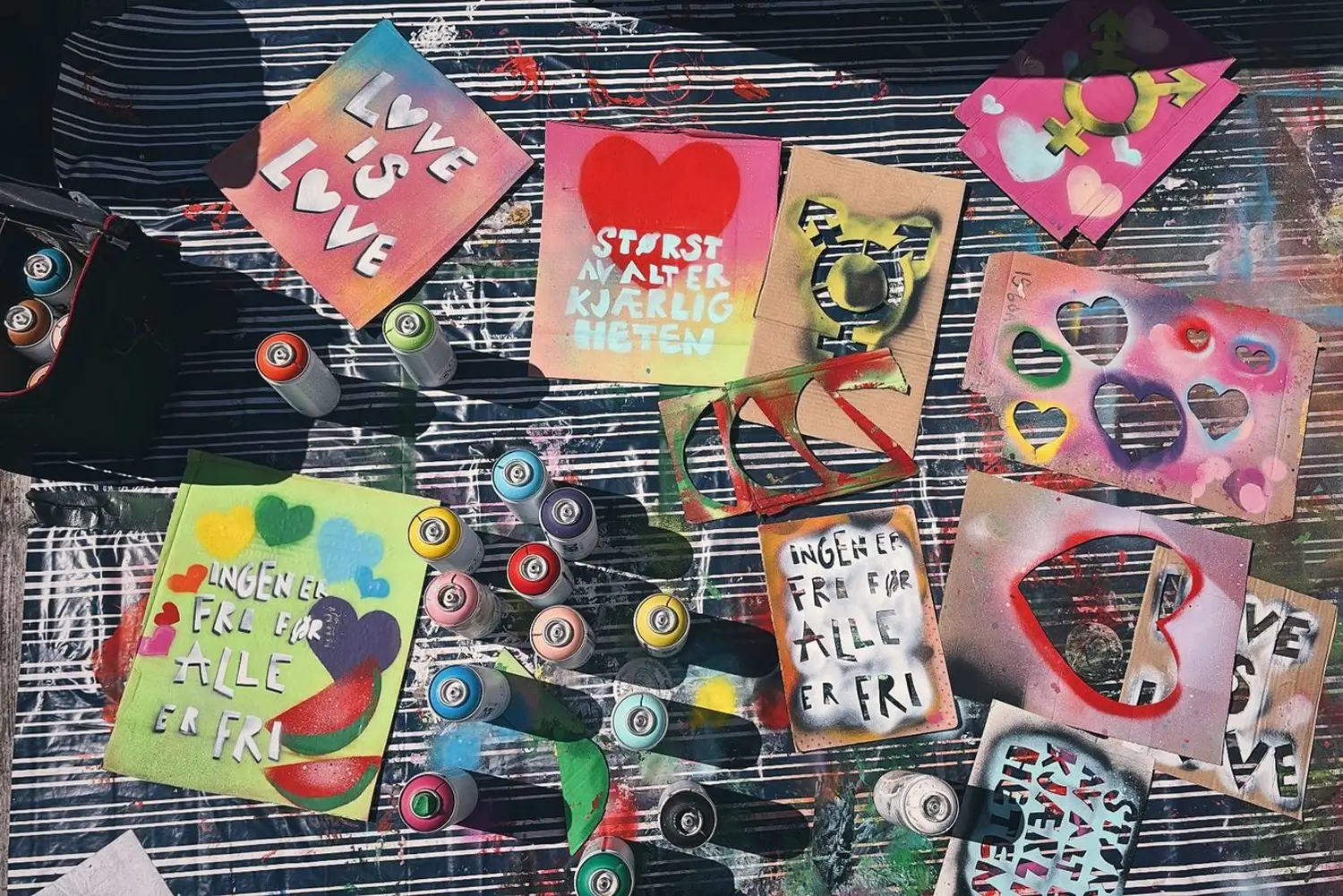
Street Art Oslo invites you to a stencil workshop where you will learn how to create your own textile prints. Bring a t-shirt, a well-used tote bag, or another textile-based item, and spread important messages with your own print.
We use water-based spray paint along with pre-cut stencils to create the prints on the fabric. All materials are included, except for the fabric you want to have printed on.
The stencil workshop is led by Hanne Ugelstad , who is the educational director for Street Art Oslo, the outreach curator for the exhibition Sprayboksen 100 years, and the artist behind the street art pseudonym "Matriarkatet".
Festival opening with Cathrine Frost
Liveshow
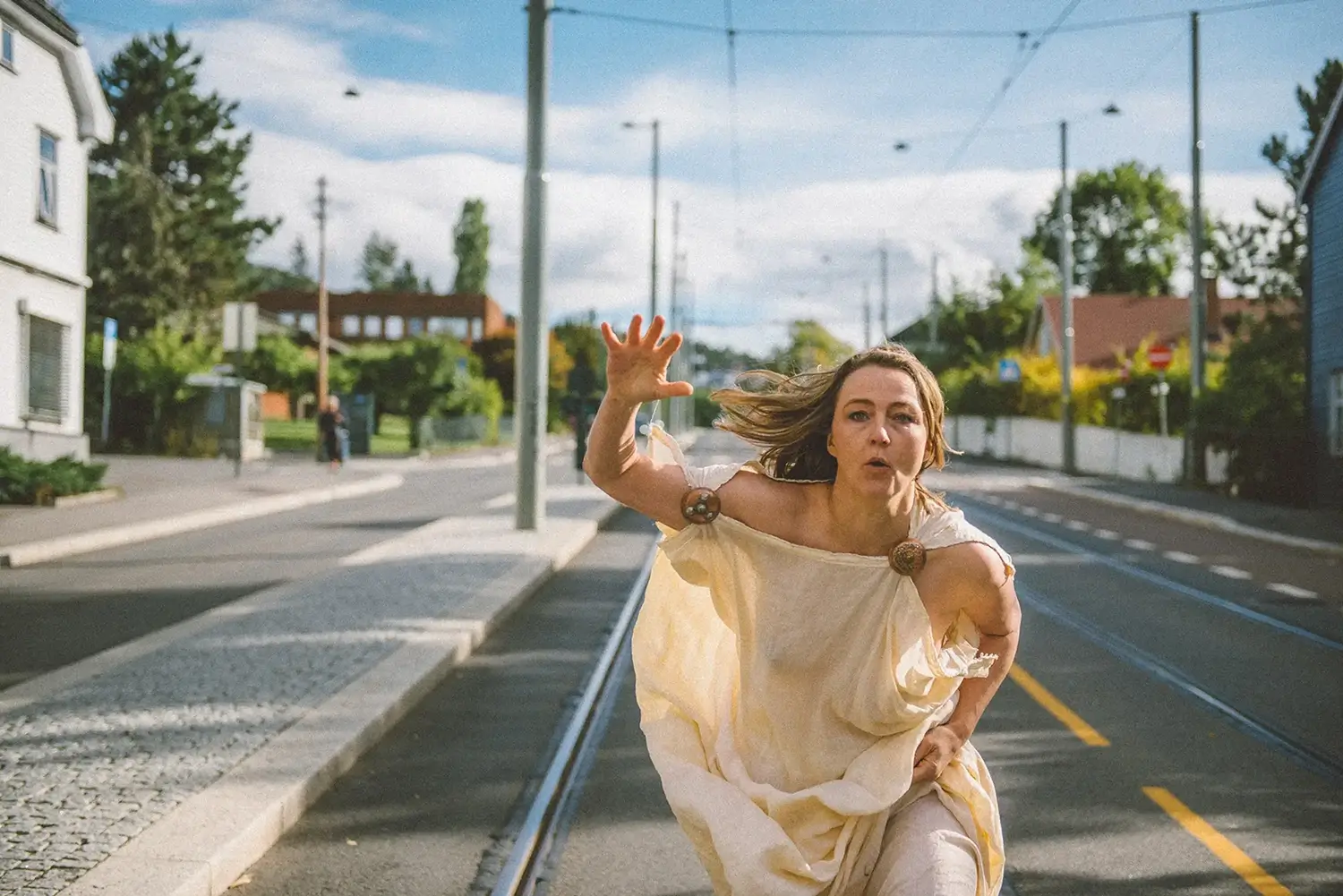
The performance "Good luck, Cathrine Frost!" has been sold out at Det Andre Teatret, Nationaltheateret and Riksteateret since 2022. At the Women's Health Festival we will get an excerpt from the solo performance, a piece about philosophy, childbirth, karate, public health and dubstep!
Women's health.no
Presentation
The groundbreaking women's health portal, kvinnehelse.no, will be launched at the turn of the year 2026/2027. At kvinnehelse.no you will find research-based knowledge about women's bodies and health throughout their lives. The portal brings everything together in one place, so you can easily find safe, up-to-date and relevant information, when you need it.
Hurray for children!
Family tour
Menopause
Premiere screening
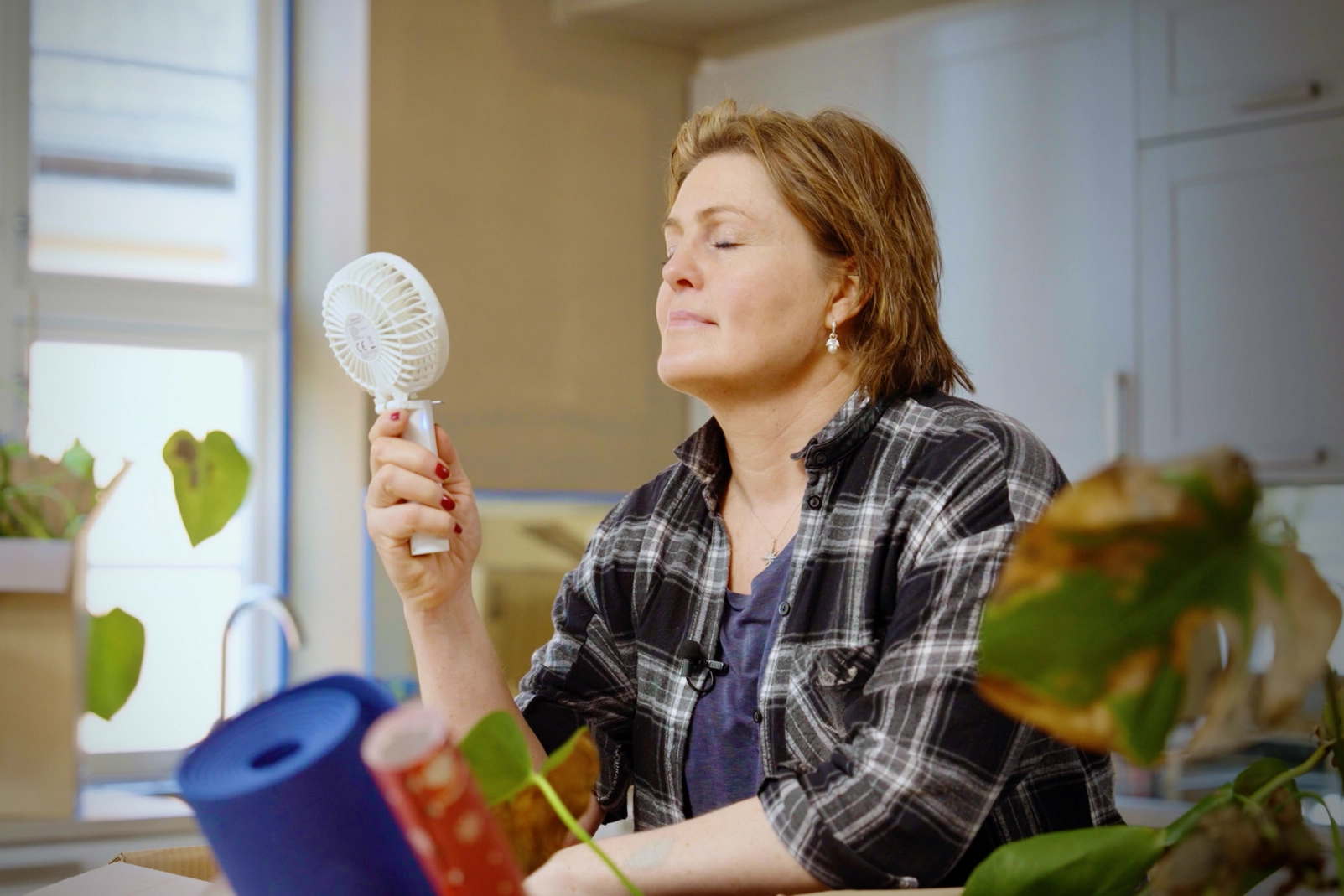
The film series "Menopause", which premieres at the Women's Health Festival, addresses topics such as the general practitioner, working life, family life, the lower abdomen, sex, miscarriage and early menopause. Before the screening, you will meet Marianne Kleven, director at the film company Leidar, in conversation with Elisabeth Swärd, special advisor for women's health at the Women's Health Association.
Host Dora Thorhallsdottir, herself a menopausal woman, has been a vocal advocate for openness about the topic for many years. In the series, she shares her own experiences with hot flashes, anger, depression, and mental fog, which eventually became so distressing that she underwent hormone therapy.
Through personal stories and professional perspectives, viewers gain insight into what menopause can mean, and what options exist for support and treatment.
Every year, over 27,000 women in Norway enter menopause without sufficient knowledge of what awaits them. Lack of insight can lead to unnecessary worry and stress. Symptoms such as hot flashes, sleep disturbances, mood swings, difficulty concentrating and depression are common, and for many this can affect both quality of life, work life and close relationships.
There are still many women who do not know what is happening in their bodies, or what options exist for support, treatment and facilitation.
The film series was developed by the Norwegian Women's Sanitary Association in collaboration with the film company Leidar and director Marianne Kleven.
Hormone Square
Activity
Explore the festival's market stalls and experience demonstrations, simulations and great conversations about hormones and health throughout life.
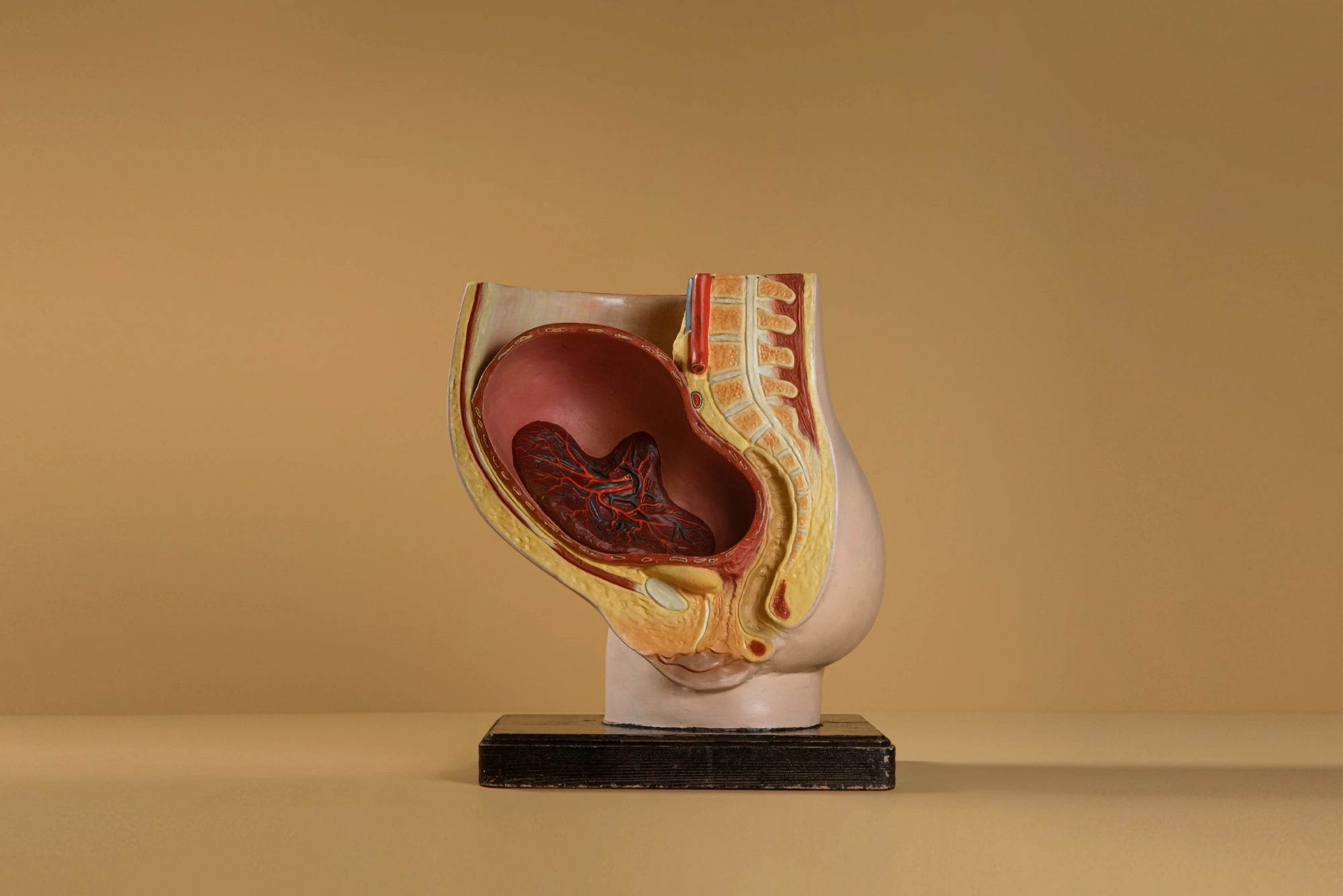
How is a gynecological examination performed?
Demonstration
Doctors Simon Ertzeid, Mong Binh Lam and Trine Aarvold from Sex og samfunn will present the procedure for a gynecological examination (GU), and the equipment used. They will answer all your questions about GU.
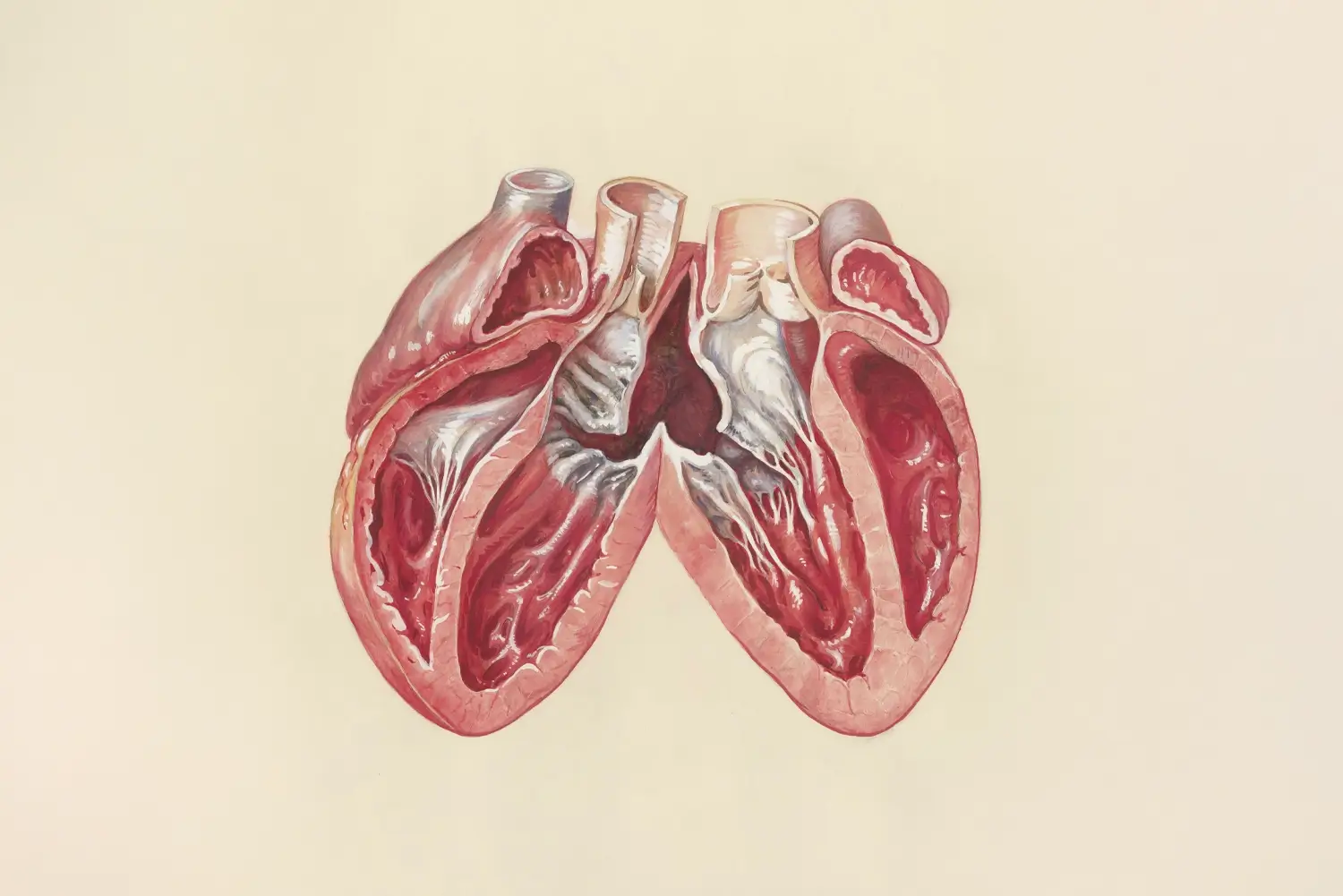
Heart health
Demonstration
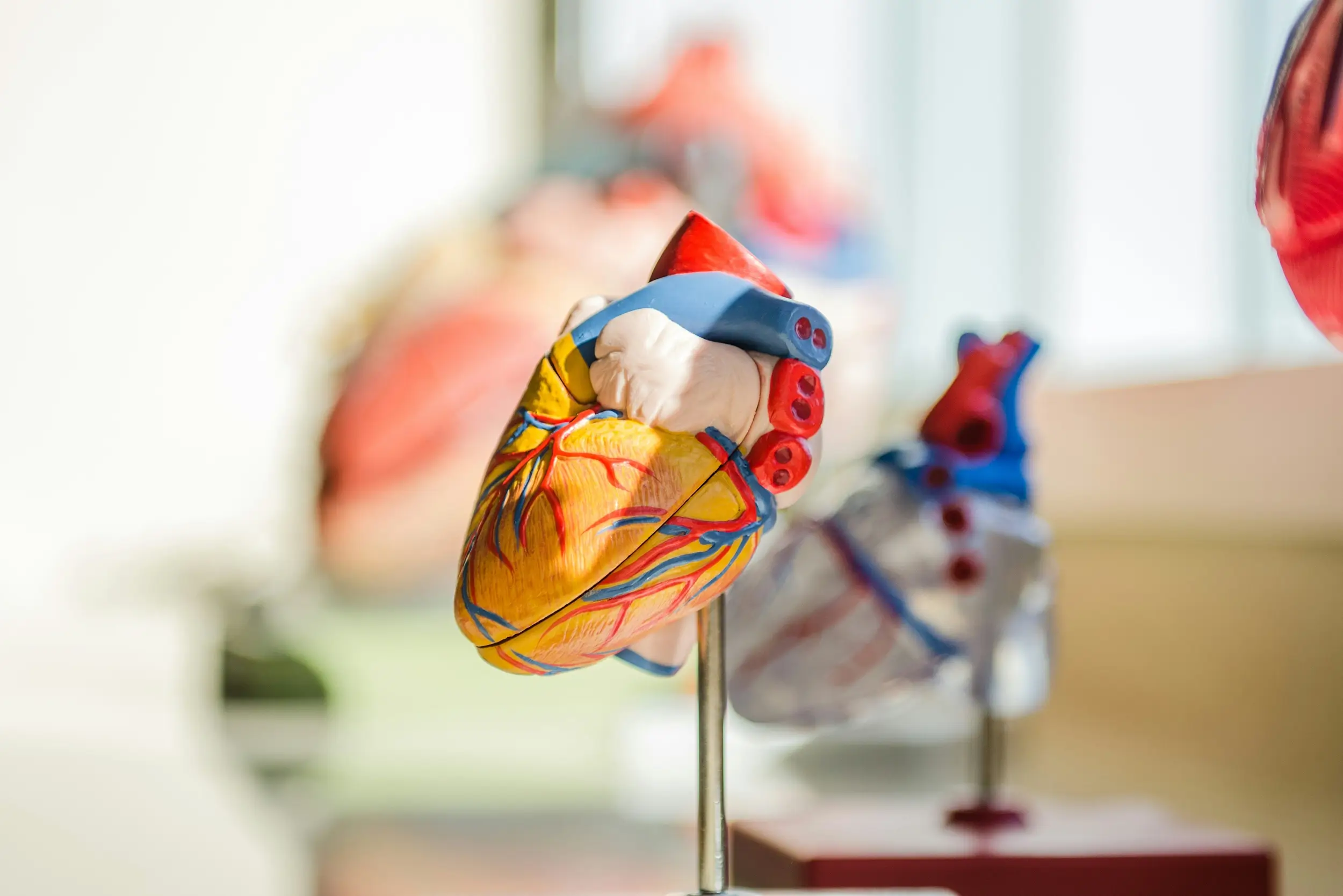
Learn how to quickly detect symptoms of heart attack and stroke in women and act correctly in an emergency situation.
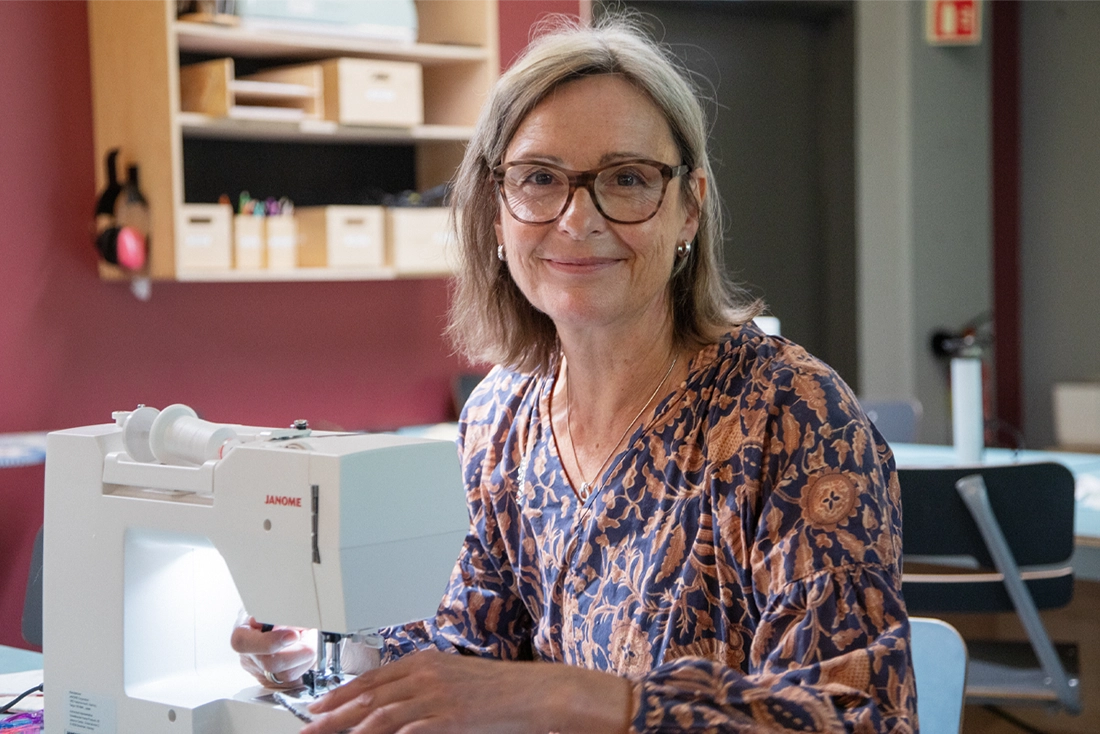
Sew pads with Sister Solidarity
Activity
Research relay
Presentations
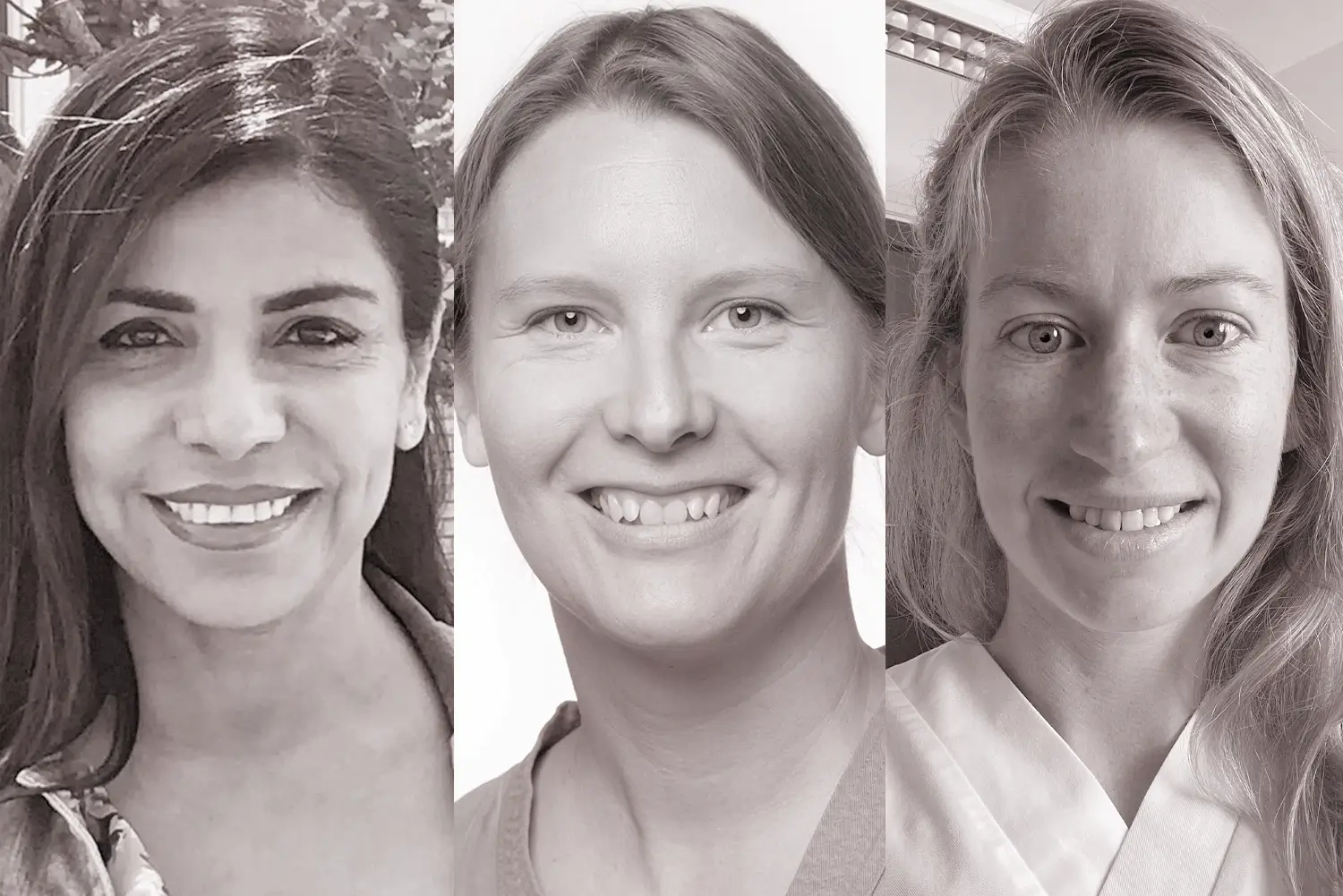
In today's research relay, we learn about hormones and bipolar disorder, about women's oral health in a life-course perspective, and about hormone therapy during menopause and cancer risk.
Liv Bjørnhaug Johansen, senior advisor in women's health at Sanitetskvinnen and the author of the book "Diagnosis: Woman", is the relay leader.
Hormones and mood – what do Norwegian women with bipolar disorder say?
What do Norwegian women with bipolar disorder say about the connection between hormones, menstrual cycle and disease course?
The first findings from the Hormone and Mood study are presented, focusing on premenstrual symptoms, disease course and experiences with hormonal contraception. The study was conducted in collaboration with the Bipolar Association, PMDD Norway and national and international researchers.
Sofie Ragnhild Aminoff, psychology specialist and senior researcher at Oslo University Hospital.
Women's oral health – a life course perspective
Women's oral health is affected by hormonal changes, life stages, and conditions that occur more frequently in women. Puberty, pregnancy, menopause, and old age can affect gums, caries risk, saliva production, and mucosal health.
Eating disorders, autoimmune diseases, osteoporosis, and long-term jaw and facial pain can also have consequences for oral health and quality of life. A women's health perspective helps to see the oral cavity in the context of general health, prevention, and the need for multidisciplinary follow-up.
Julie Marie Haabeth Brox, postdoctoral fellow at the Department of Oral Biology, Faculty of Dentistry, UiO.
Hormone therapy during menopause and cancer risk
More information to come.
Iqbal Al-Zirqi, consultant and senior researcher at the National Center for Women's Health Research.
The moderator is Liv Bjørnhaug Johansen, nurse, cultural historian and senior advisor in women's health at Sanitetskvinnen.
Hush! Stories about abortion
Performance
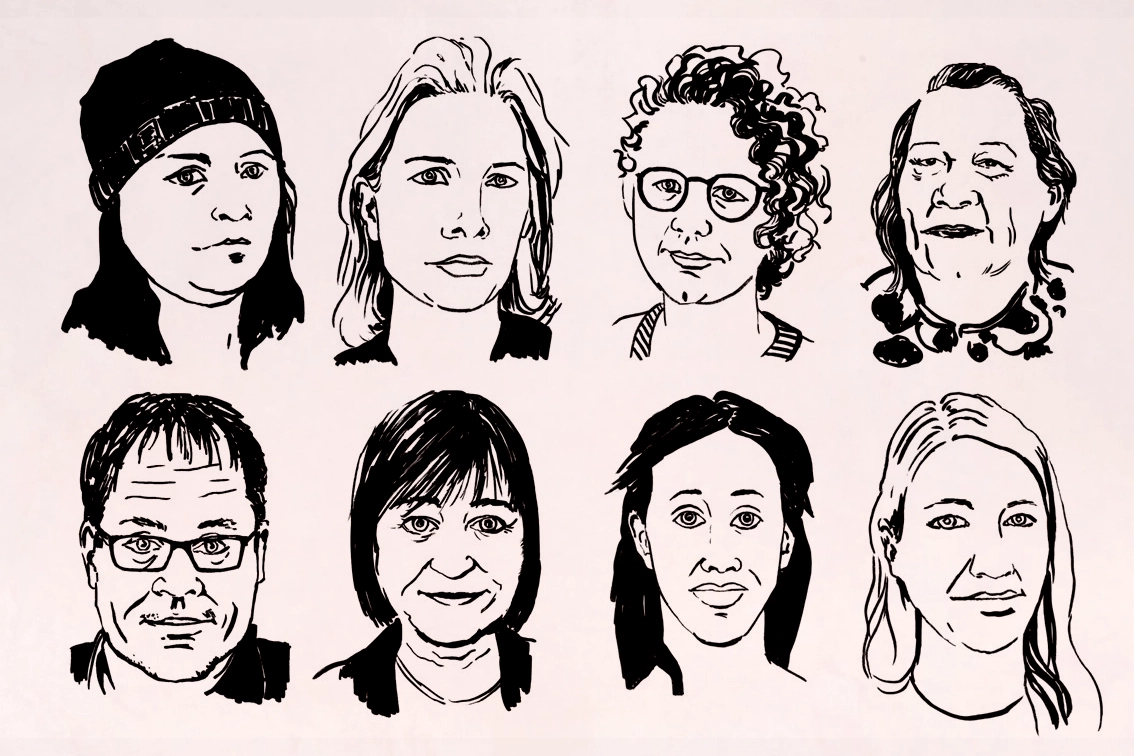
Women have had abortions throughout history and in all countries. Yet their stories have rarely been told.
In this storytelling theatre, Anne Marie Ottersen and several other actors perform eight selected abortion stories collected by the Women's Museum in Norway. The stories range from the 1960s to the present day.

AI and femtech
Talk
The Queen of Sheba
Talk
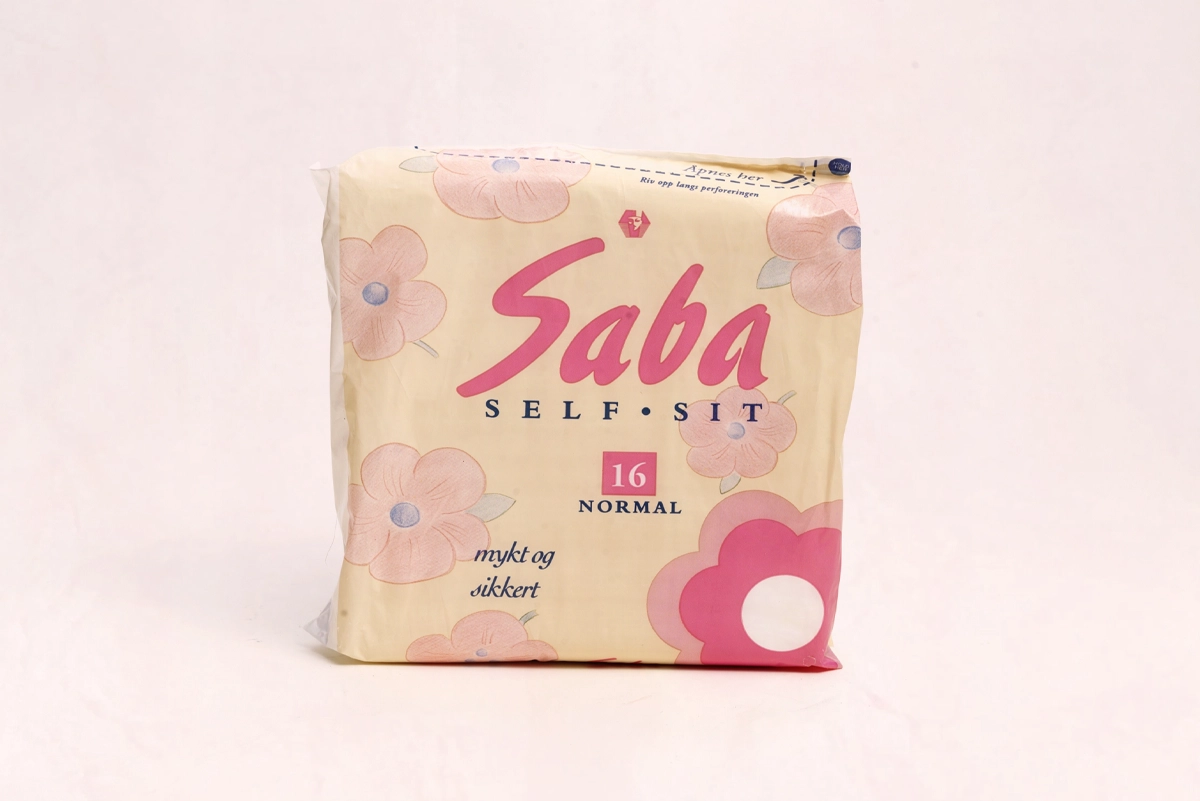
Menstruation has been surrounded by shame, myths and silence throughout much of history. The Vestfold Archives' collections include the archive of the company SABA, which produced disposable sanitary napkins.
Learn about how SABA helped change both women's everyday lives and society's view of menstruation; from home-knit pads and taboos to public education, technological innovations and increased freedom for women.
Through stories and authentic archival material, the Vestfold Museums' archive mediators open a field that was closed and embarrassing for many and for too long.
The stories contain seriousness and a bit of humor from different eras, while the sources provide historical context and possibly unfamiliar encounters with past bindings, belts, advertisements, and educational programs.
The lecture The Queen of Sheba – bloody history presentation will be given by Ulla Nachstern, Vestfold Museums.
Hormone Square
Activity
Explore the festival's market stalls and experience demonstrations, simulations and great conversations about hormones and health throughout life.
Here you will meet patient associations from the Women's Health Alliance and professionals who share knowledge and experiences. You can ask questions, learn more about how hormones affect the body and mind at different stages of life - and get useful tips about women's health that you can take with you.
Heart health
Activity
How is a gynecological examination performed?
Talk
Menopause
Premiere screening
The film series "Menopause", which premieres at the Women's Health Festival, addresses topics such as the GP, working life, family life, the vagina, sex, miscarriage and early menopause.
Host Dora Thorhallsdottir, herself a menopausal woman, has been a vocal advocate for openness about the topic for many years. In the series, she shares her own experiences with hot flashes, anger, depression, and mental fog, which eventually became so distressing that she underwent hormone therapy.
Through personal stories and professional perspectives, viewers gain insight into what menopause can mean, and what options exist for support and treatment.
Every year, over 27,000 women in Norway enter menopause without sufficient knowledge of what awaits them. Lack of insight can lead to unnecessary worry and stress. Symptoms such as hot flashes, sleep disturbances, mood swings, difficulty concentrating and depression are common, and for many this can affect both quality of life, work life and close relationships.
There are still many women who do not know what is happening in their bodies, or what options exist for support, treatment and facilitation.
The film series was developed by the Norwegian Women's Sanitary Association in collaboration with the film company Leidar and director Marianne Kleven.
Rice workshop
Activity
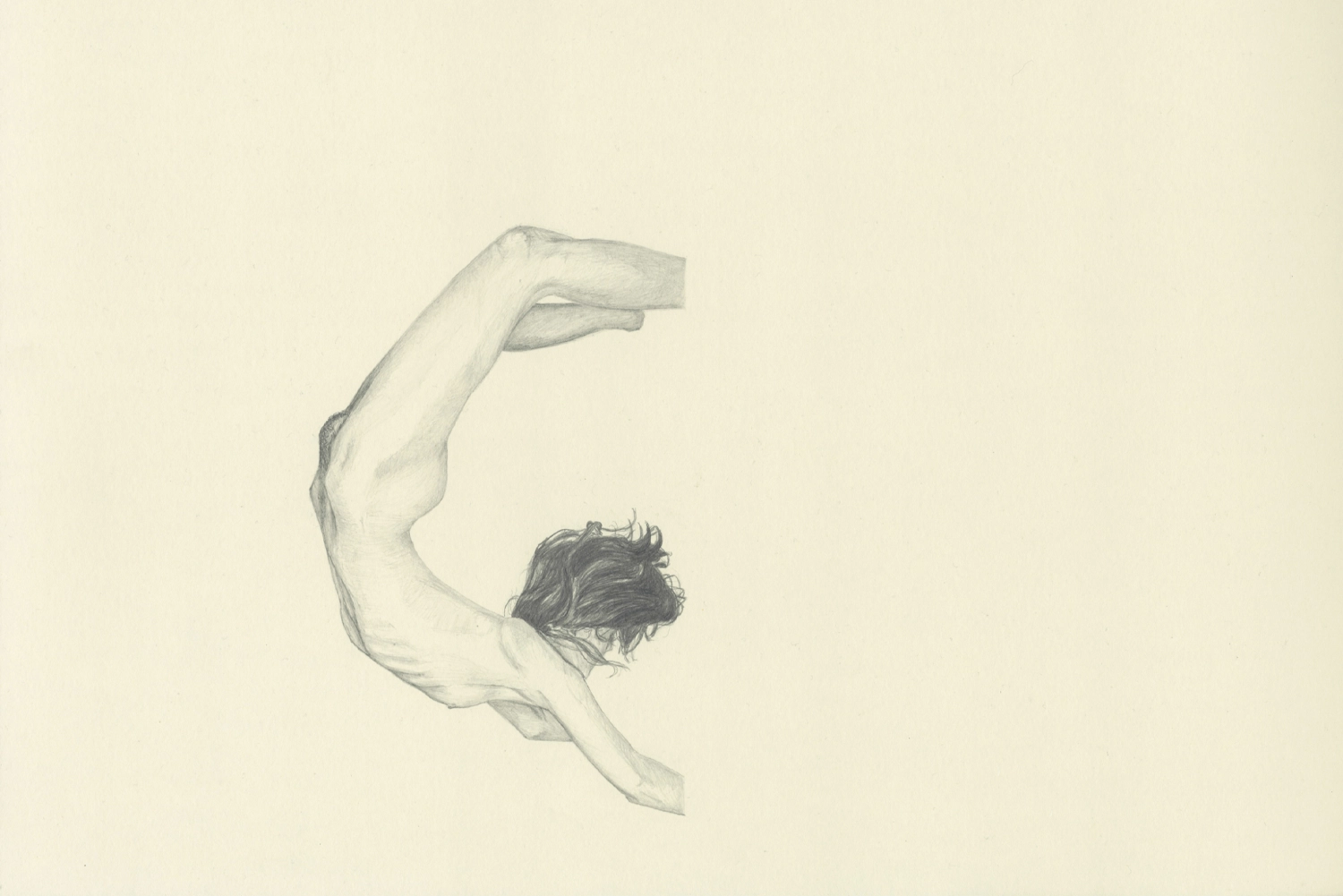
The Women's Health Festival lowers the threshold for talking about women's health and the female body through a playful and visual risograph workshop.
The activity is led by Charlotte Rostad, who invites participants to create unique collages of genitals, anatomy and female bodies. With artistic expression, humor and the vibrant colors of the risograph, we create a safe space to explore and de-escalate taboo topics.

Stencil workshop
Activity
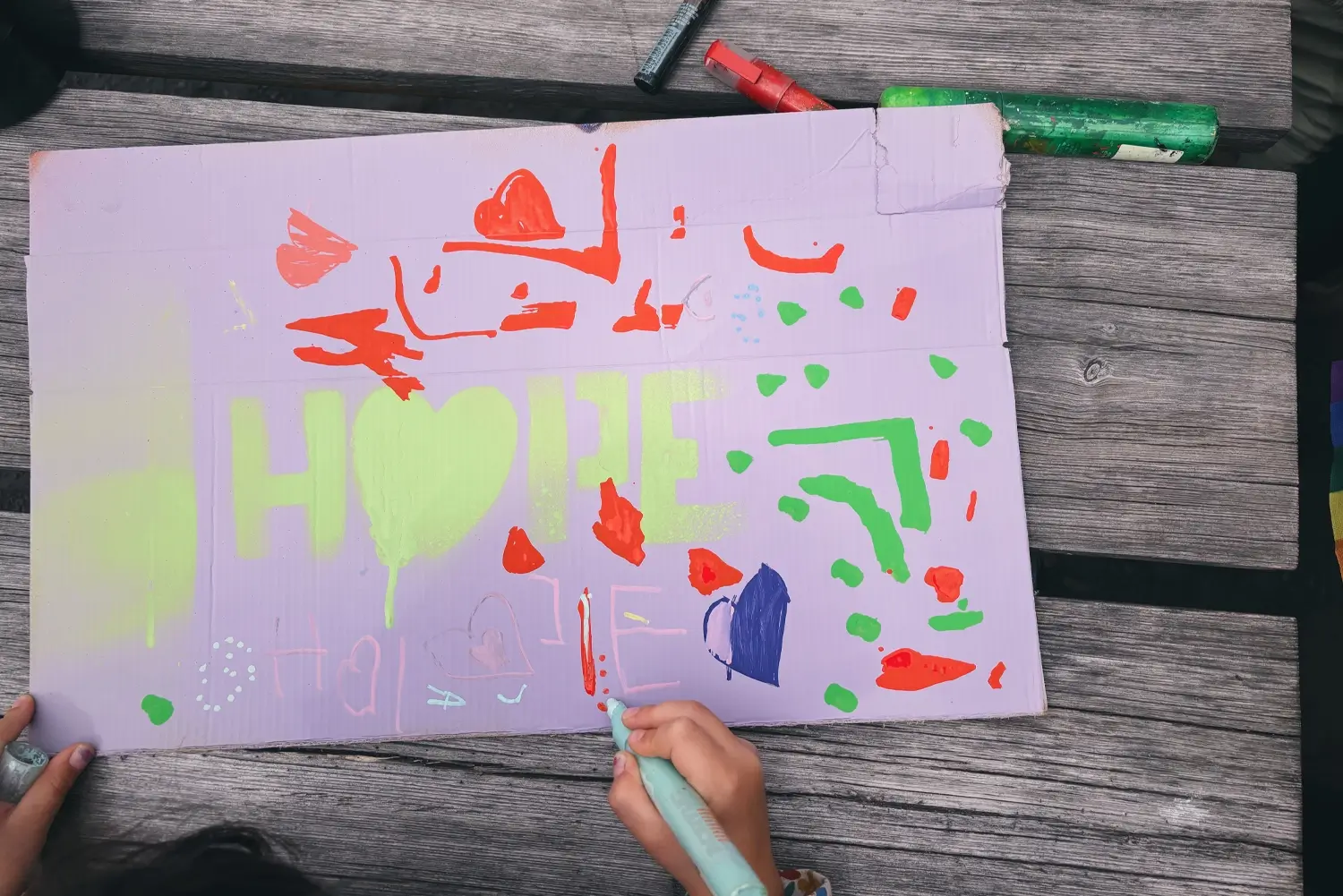
Street Art Oslo invites you to a stencil workshop where you will learn how to create your own textile prints. Bring a t-shirt, a well-used tote bag, or another textile-based item, and spread important messages with your own print.
We use water-based spray paint along with pre-cut stencils to create the prints on the fabric. All materials are included, except for the fabric you want to have printed on.
The stencil workshop is led by Hanne Ugelstad , who is the educational director for Street Art Oslo, the outreach curator for the exhibition Sprayboksen 100 years, and the artist behind the street art pseudonym "Matriarkatet".
Hurray for children!
Family tour
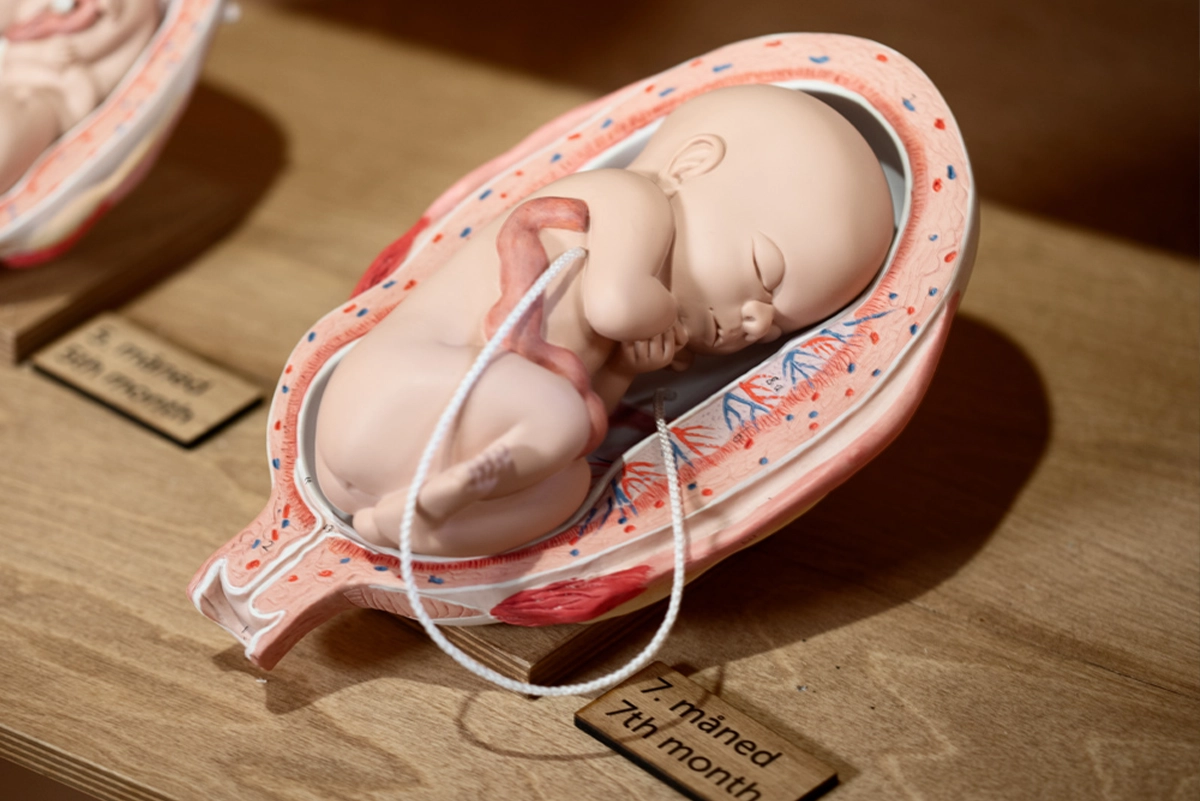
What happens inside the womb before you are born, and what do tiny babies and tropical bird species have in common? How much pee can fit in a diaper? Get answers to these and other questions when we take you on a tour of our medical exhibition.
Research relay
Presentations
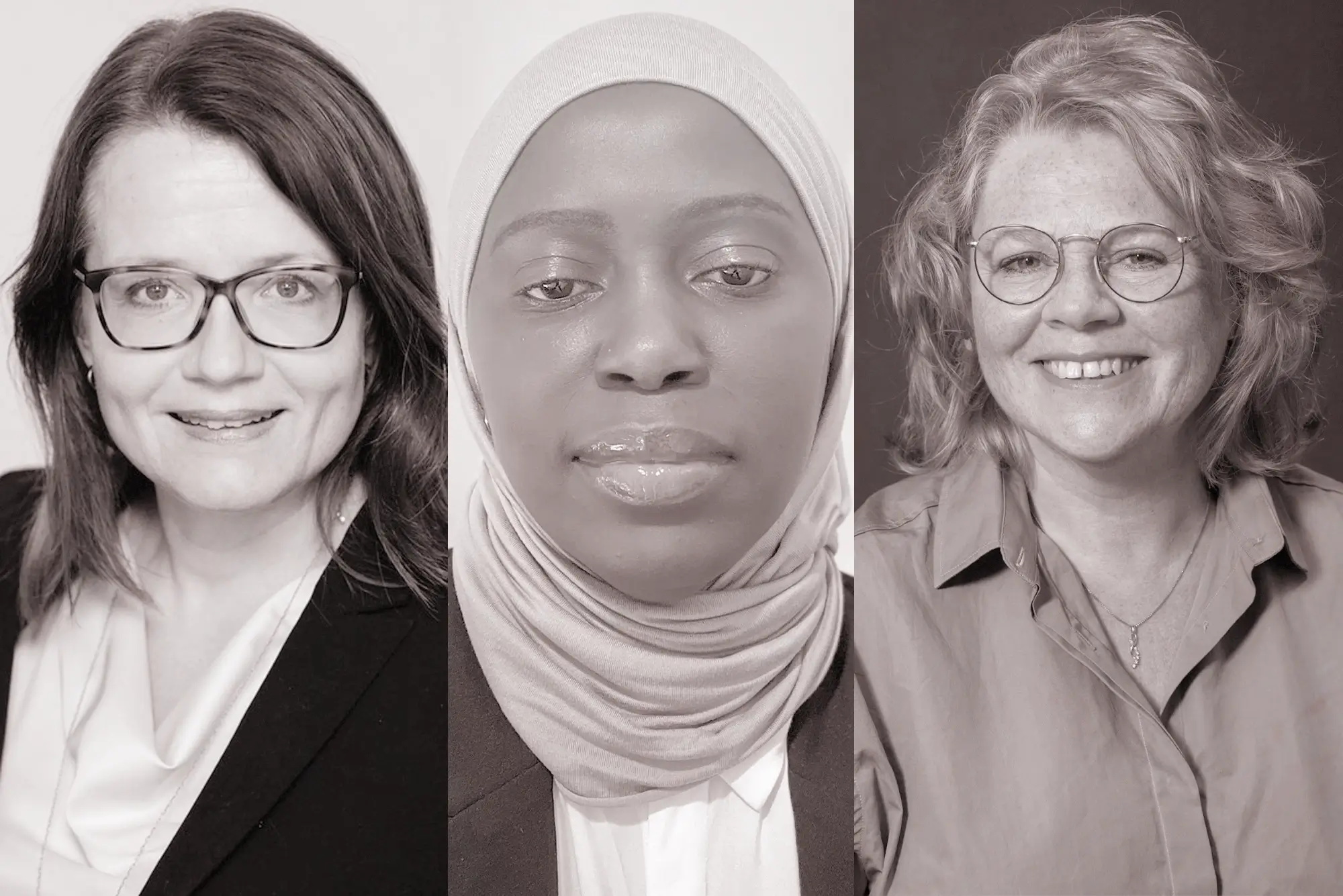
In today's research relay, we learn about ongoing research on stress, social support, and quality of life during pregnancy and postpartum among immigrant women. We also hear about new research on whether physiotherapy can help with pain during intimate contact, and whether diet can relieve pain from lipedema.
Quality of life, social support and stress among immigrant women
How are quality of life, social support and stress affected during pregnancy and after birth? The research project examines differences between new arrivals and long-term immigrants, and the importance of length of residence in Norway. The findings may contribute to better follow-up and more equitable prenatal care.
Fatou Jatta, physician and fellow, Norwegian Center for Women's Health Research, Oslo University Hospital.
Can diet relieve lipedema pain?
Women with lipedema often experience significant pain. In the LIPODIET study, participants reported less pain and improved quality of life after a structured dietary program.
Siren Nymo, clinical nutritionist and associate professor, NTNU. Researcher at Nord-Trøndelag Health.
New research on chronic migraine – can more women have a better life?
Chronic migraine affects women far more often than men and can have a major impact on work, family life and quality of life.
The NorMig study is a new Norwegian, randomized study investigating whether combination therapy can provide better treatment for people with chronic migraine than current standard treatment.
Anne Hege Aamodt, senior consultant at the Department of Neurology, Oslo University Hospital, leads the stroke and headache research group at OUS and the NorMig study.
Undressed with Nina Brochmann
Talk
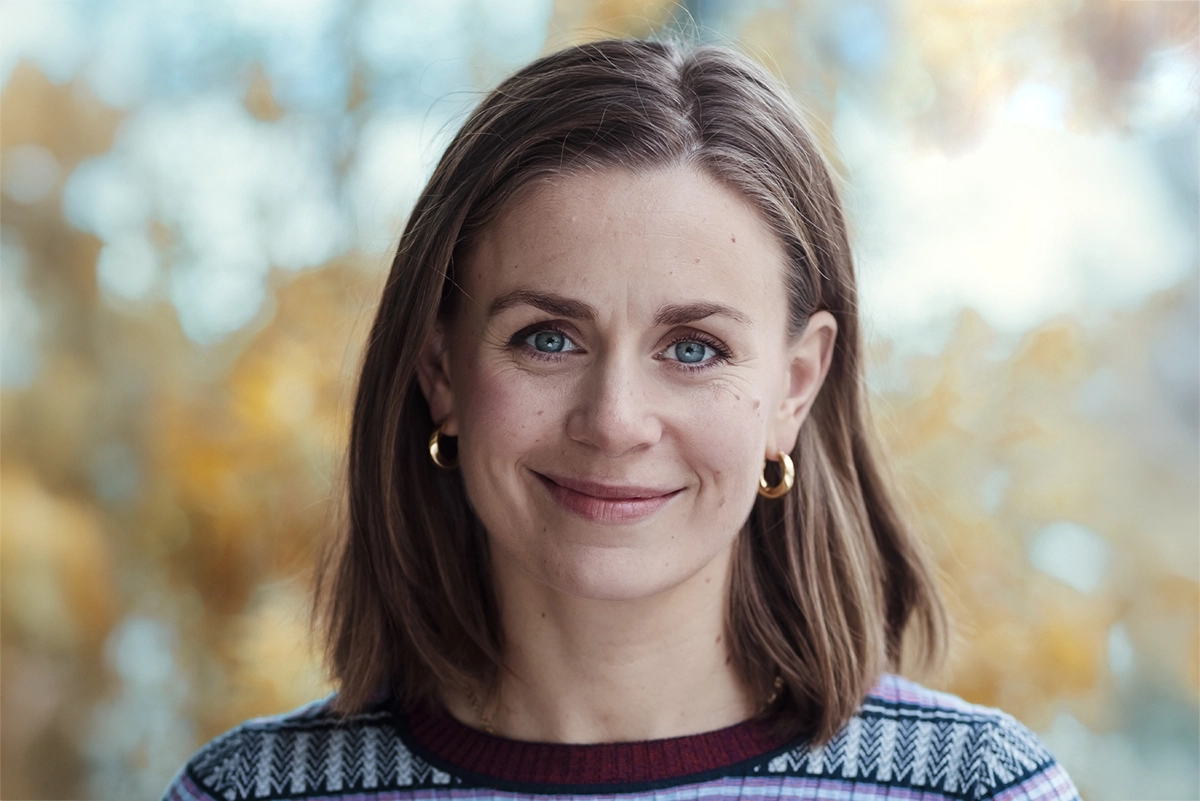
Whore, witch, saint, nymphomaniac and hysterical. Throughout history, women have been categorized and diagnosed in countless ways. According to physician and author Nina Brochmann, history is also about a society that has attempted to rein in and control women's sexuality.
Doctors have invented the hymen, cut off the clitoris and given the uterus its own will. Based on the book "Avkledd" and historical objects from the collection at The Norwegian Museum of Science and Technology Nina Brochmann tells how a male-dominated history of medicine has morbidized and treated women's bodies and sexual pleasure.
Through historical examples, we see how notions of women's sexuality have influenced both medicine and the view of the female body, and how this has left traces that are still visible today.
Undocumented women and healthcare
Guided tour
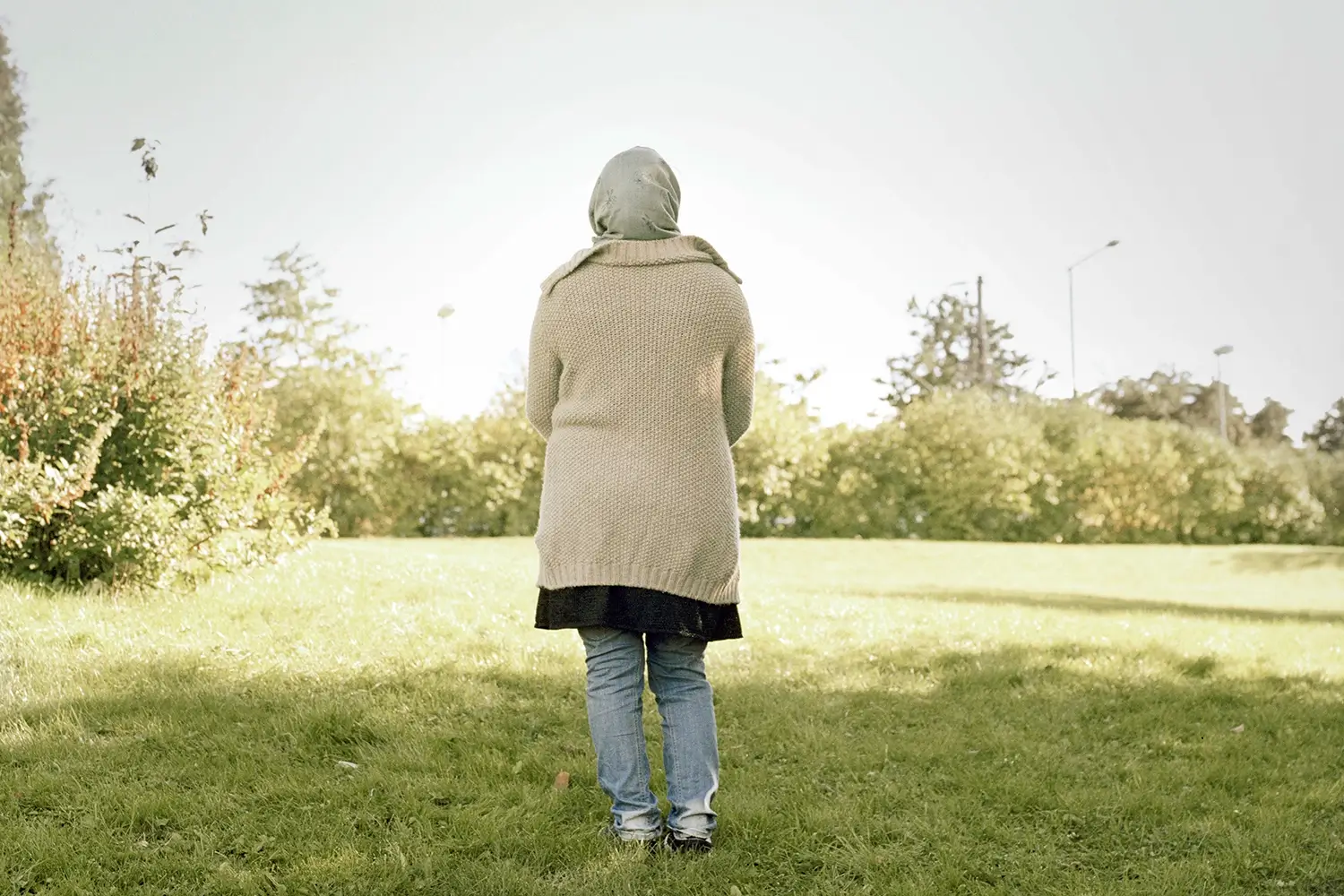
What is it like to encounter healthcare when you don't have the same rights as others? In this guest tour, we follow "Sara", an undocumented woman, through pregnancy, birth and maternity leave, and gain insight into the barriers she encounters on the path to healthcare.
Midwife Marit Stene Severinsen, from the Health Center for Undocumented Migrants and the National Hospital, gives a guest tour of the exhibition "Life and Death" where we follow Sara, an undocumented woman through pregnancy, birth and maternity leave.
We will also hear about results from the multicultural doula service and other initiatives that exist around the country.
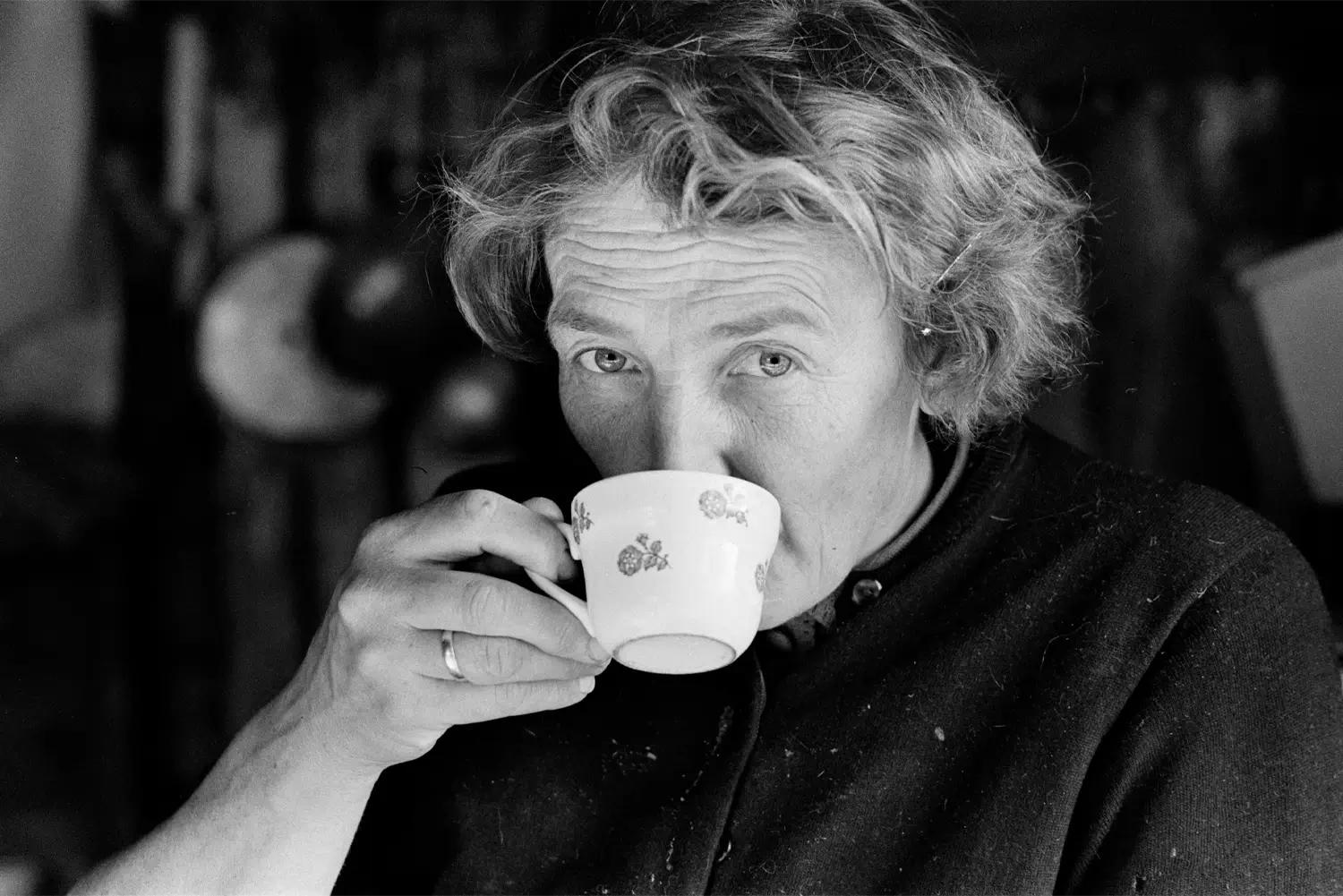
Kitchen table conversations about quality of life
Storyteller's Café
Join us for a storytelling café and hear professionals talk about women's specific life experiences. There will also be room to share your own reflections and experiences around our intimate kitchen tables.
Women's health is more than diagnoses and illness. A woman's life is more than puberty, pregnancy, childbirth and menopause. We lack a word for "positive mental health", which is not about suffering and problems.
In public health research, the term "well-being" is often used . In our kitchen table conversations, we call it quality of life. Quality of life is about the ability to function and feel good, and about the interaction between people and the environment around us, such as family, work, school and the local community.
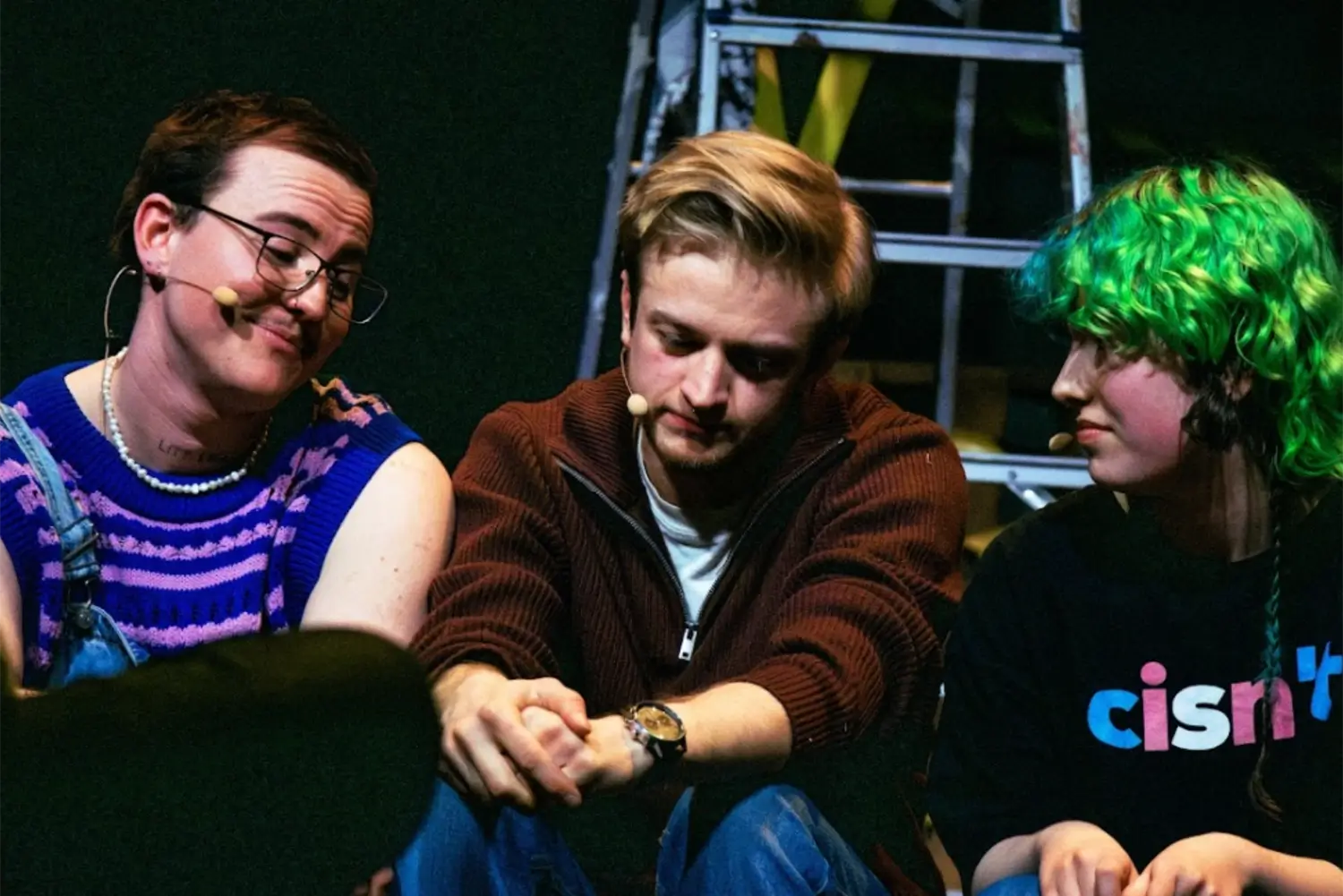
Born in the Right Body
Performance
What does women's health mean for trans and non-binary people? Experience the theater performance "Born in the Right Body", followed by a conversation about the topic with author and trans activist Luca Dalen Espseth.
Pre-booking opens October 1. Limited number of places.
The performance "Born in the Right Body" is an uncompromising and confronting story about what it is like to be trans in Norway. It is about painful experiences and discrimination in the face of transphobic social structures, but also about love, community and the joy of finding oneself.
After the performance, there will be a conversation about how the concept of women's health affects transgender and non-binary people, with author and trans activist Luca Dalen Espseth.
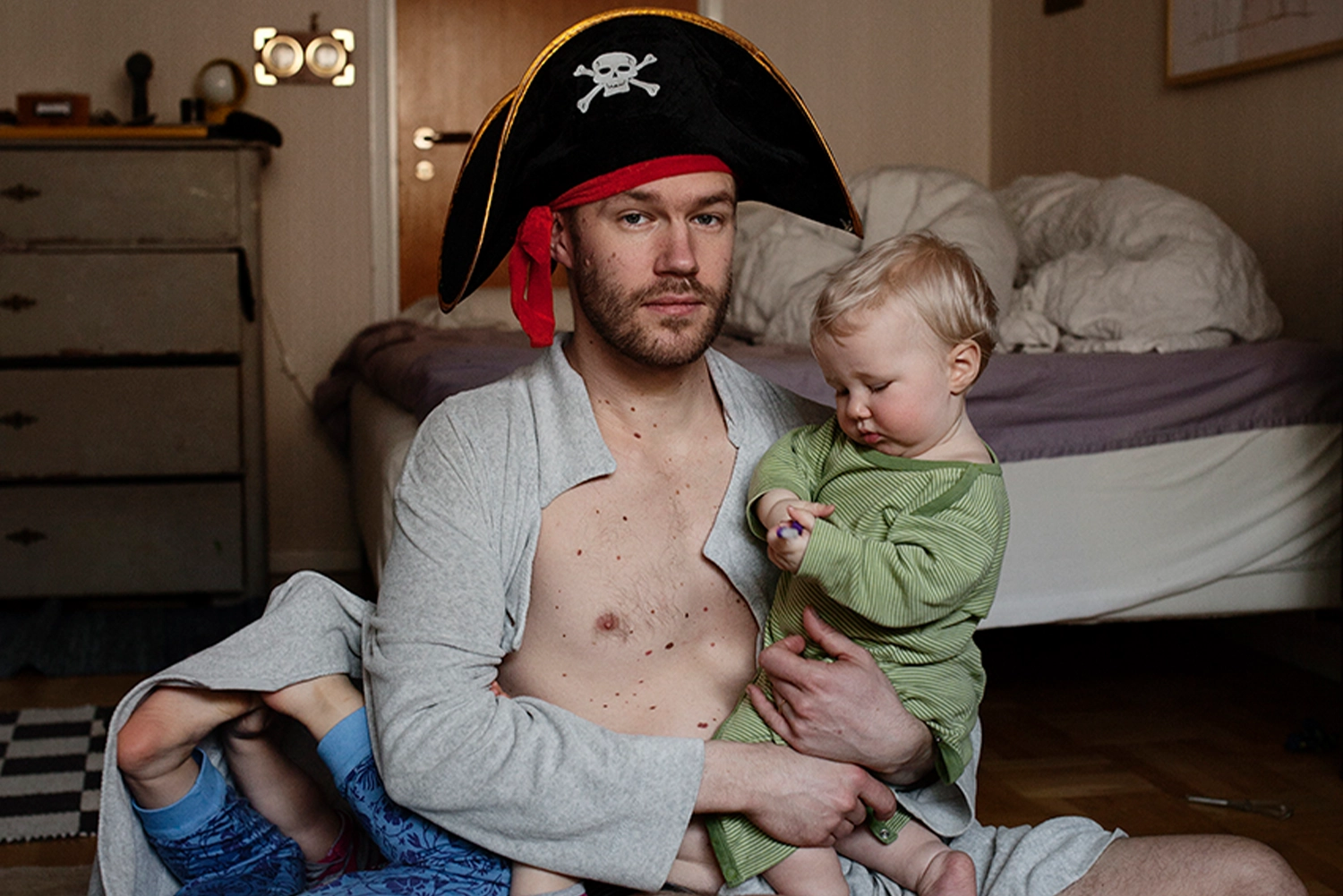
Swedish Dads
Photo exhibition
The photo project features a series of portraits of men belonging to the small percentage of fathers who choose to take parental leave for six months or longer. The images were taken over a two-year period and were first published in 2014. Photographer Johan Bävman has won numerous awards for his work, both in Sweden and internationally.