Interactivity
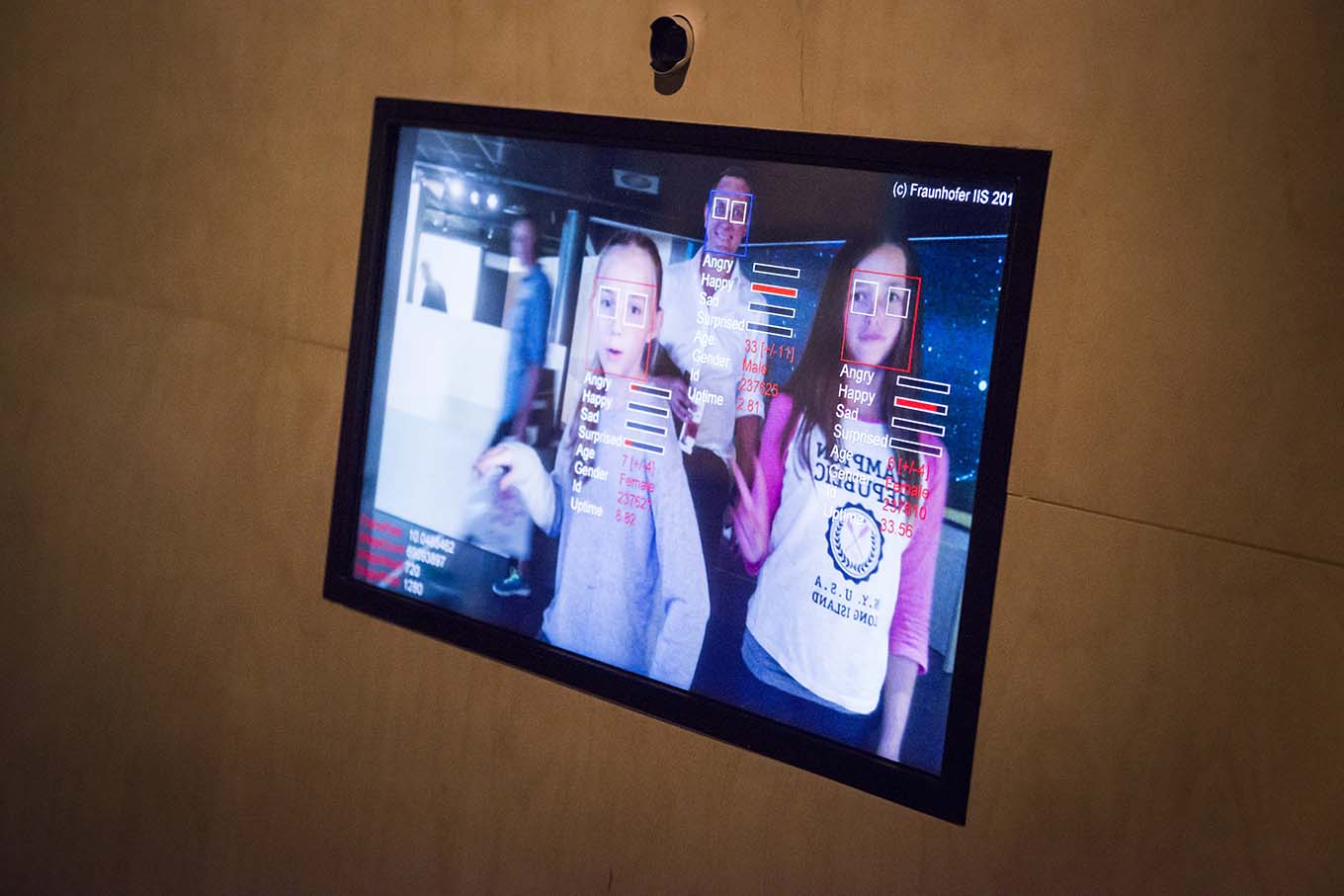
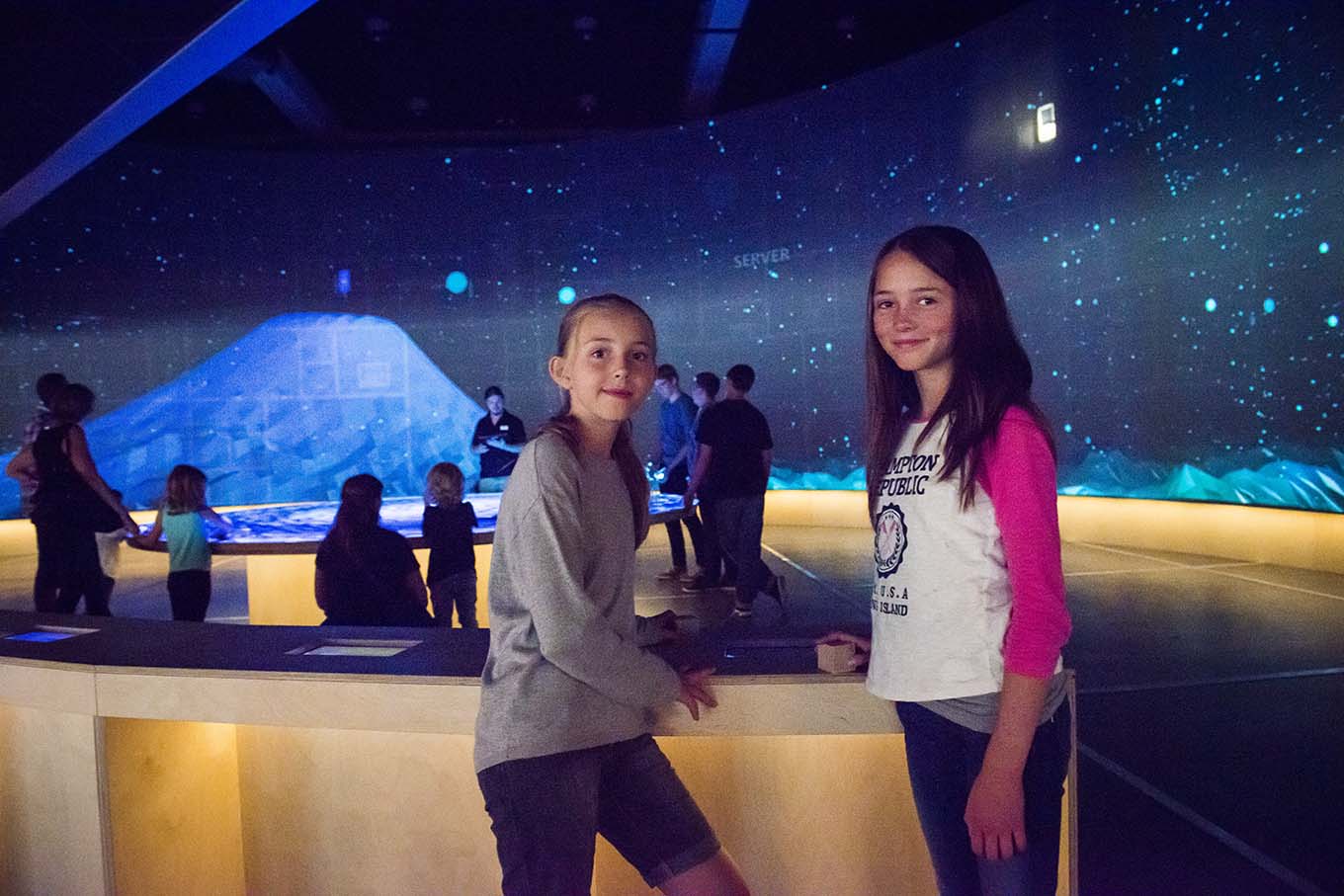
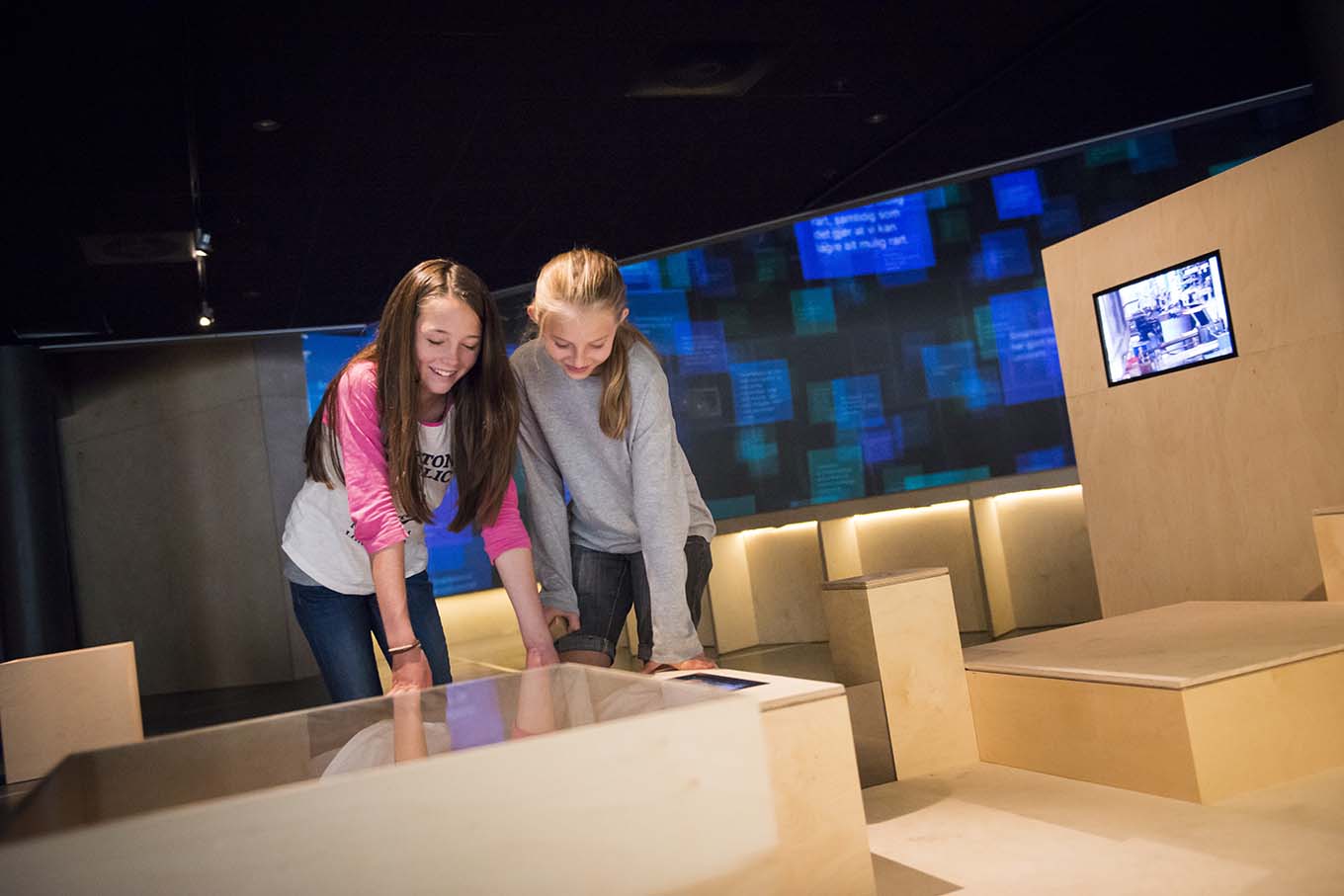
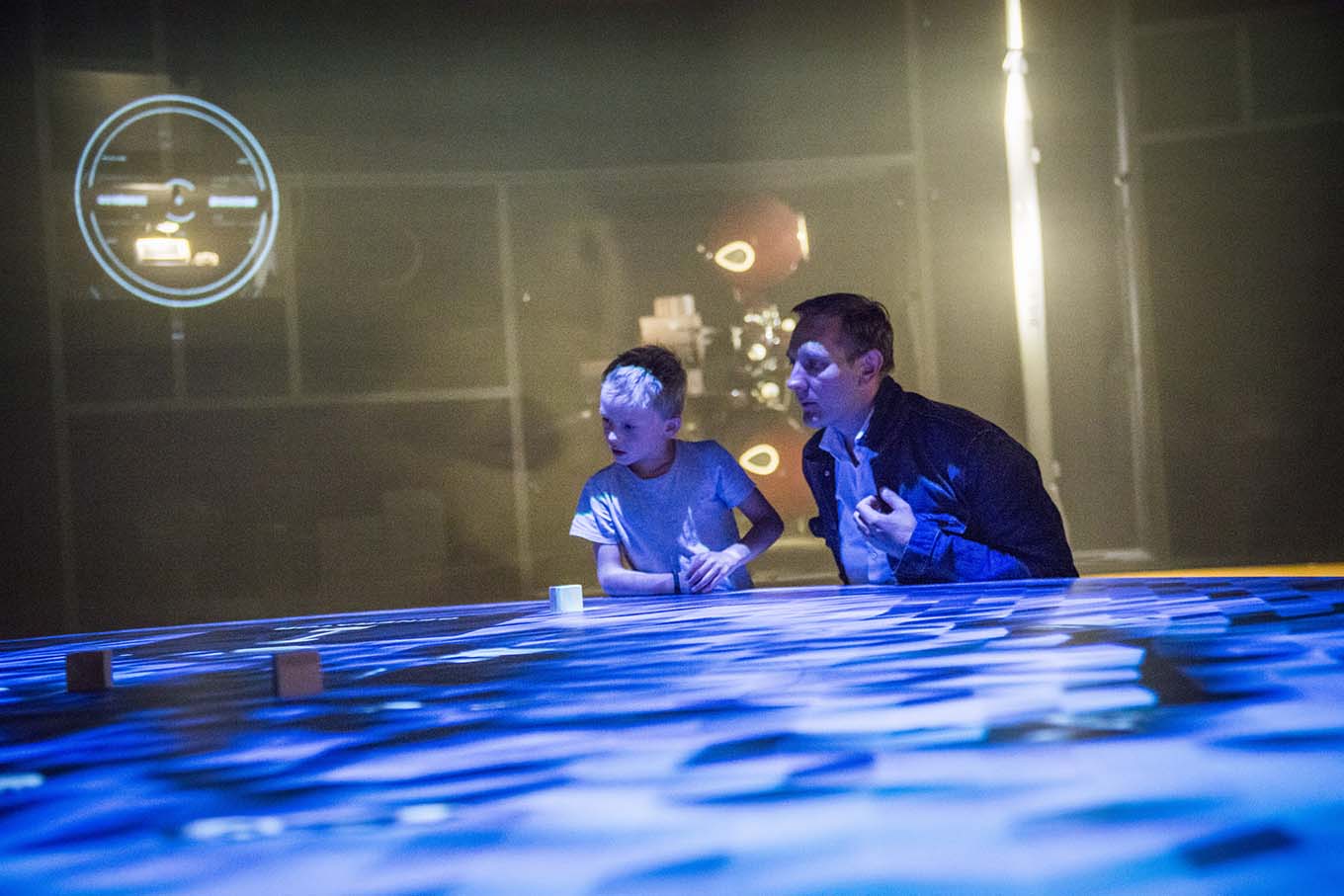
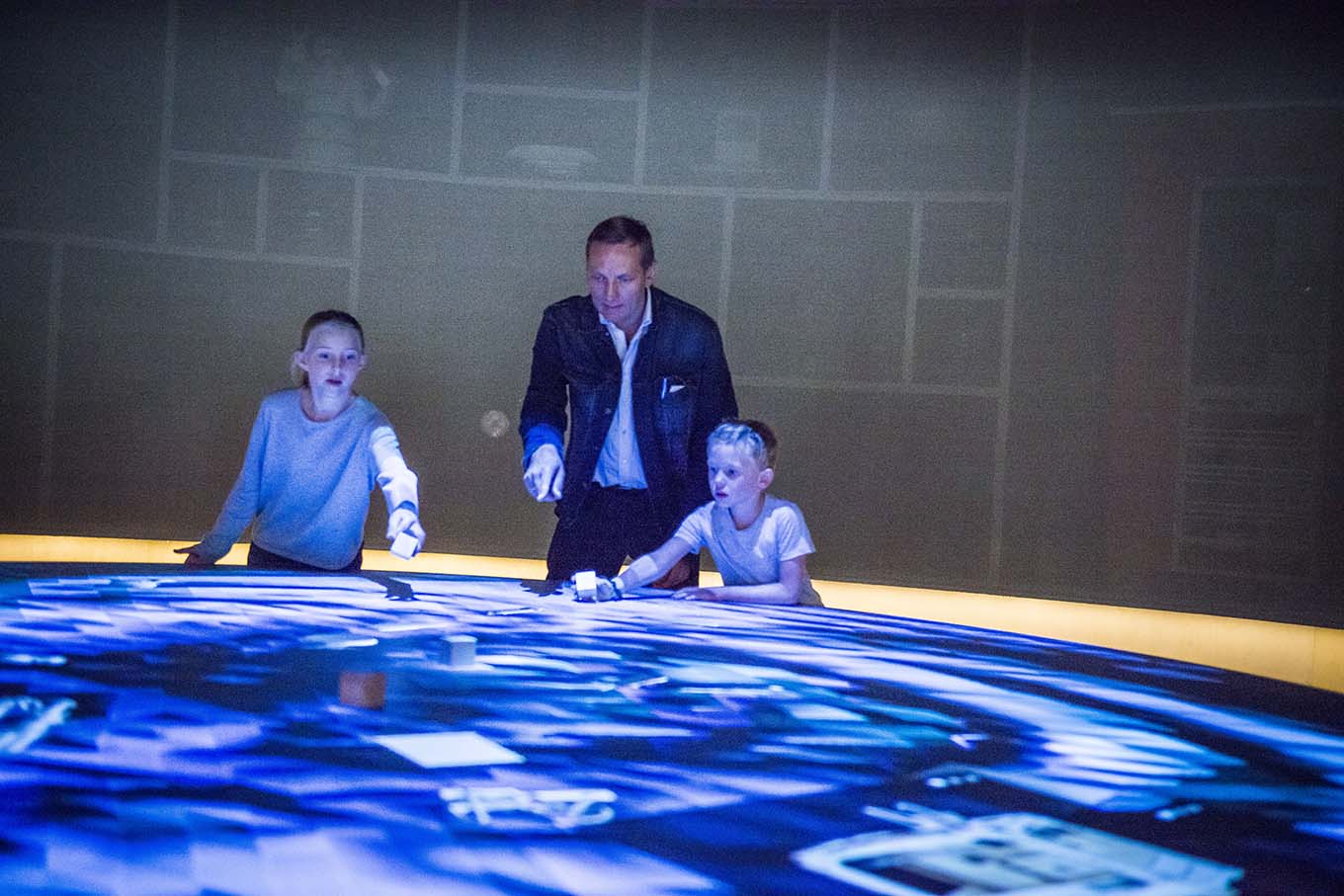
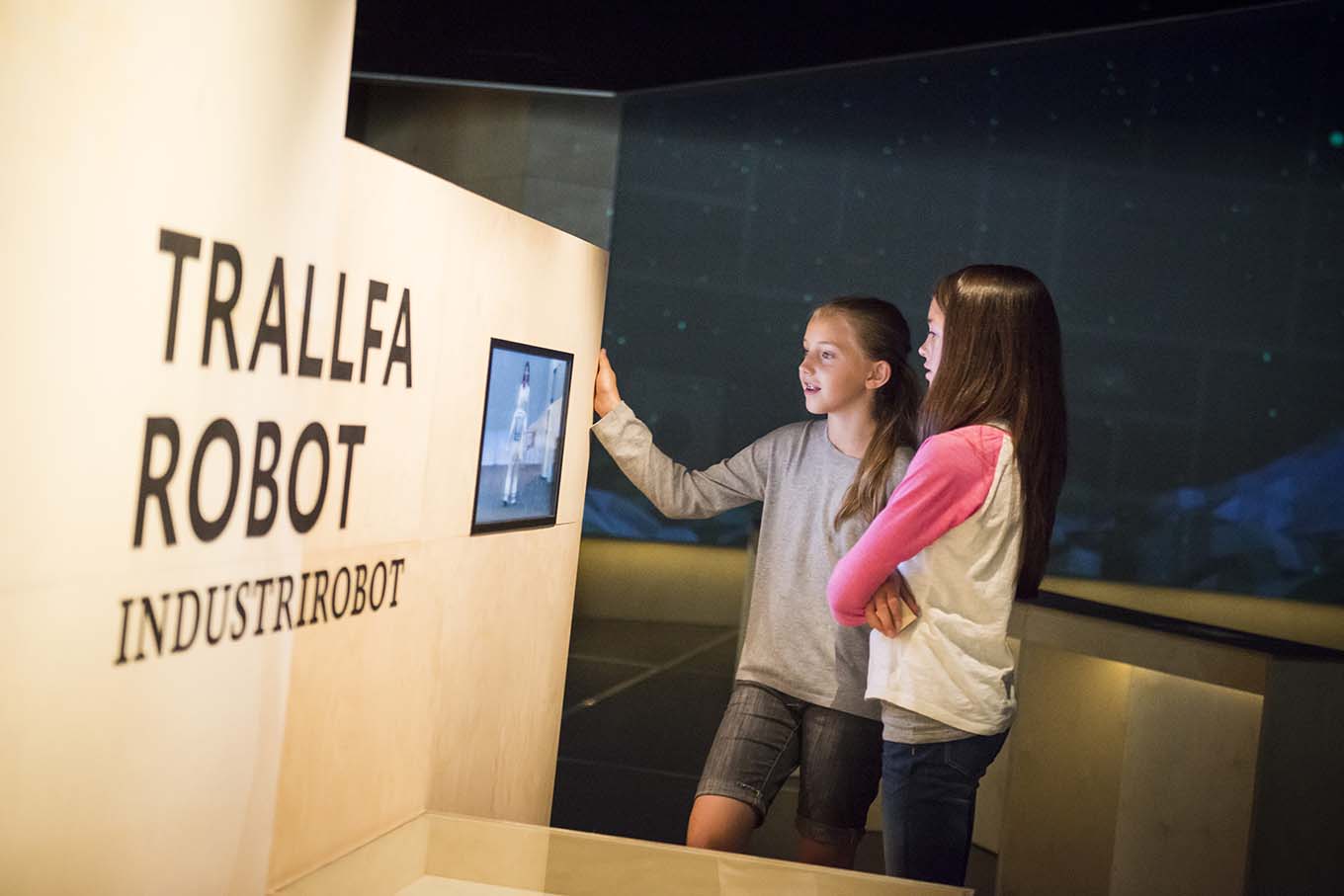
One can only imagine what ten-year-old Crown Prince Olav was thinking when he pressed the buttons to start the machines on a May day in 1914. The signal column was later included in the collection, and was The Norwegian Museum of Science and Technology 's first interactive object. In the exhibition Things: Technology and Democracy, interactivity has taken on a new meaning. It is not just machines that are pressed, it is the ways in which we participate that determine how we experience the exhibition.
- We invite you to dialogue about important current topics related to technology and democracy. Although the exhibition provides a great experience also as a spectator, it is in dialogue with others that you will get the defining experience that this innovative, inclusive and spectacular exhibition can provide. It is you who make the difference, Weinberger emphasized.
Collection and lack of space
The signal column was among the 69 objects that are just arriving at The Norwegian Museum of Science and Technology from the Machine Hall in the anniversary exhibition at Frogner. On December 11, 1914 The Norwegian Museum of Science and Technology received an offer from Norsk Elektriks & Brown Boveri (better known as NEBB) to take over “the Signal Column, with which the Crown Prince at the Anniversary Exhibition started the Machines in the Machine Hall…”
The museum did not yet have suitable premises to store objects, so the museum asked all donors to store the objects for themselves.
To Bygdø
The lack of space was temporarily solved when King Haakon opened the museum's first premises in the basement of the Viking Ship Museum in Bygdø in 1932.
The actual handover of the signal column therefore did not take place until 14 August 1940, the first year that Norway was occupied by Nazi Germany. It was then sent from Thunes Mechanical Workshop. "Referring to repeated conferences with your engineer Philip Pedersen regarding the signal column with which the anniversary exhibition in 1914 was opened, it is announced that the column was stored at our workshop and is still here. We are sending it to the museum today and would like to ask you to acknowledge receipt. Yours sincerely, A/S THUNES MEKANISKE VÆRKSTED."

The Dream of Sannergata
The dream of a separate building for The Norwegian Museum of Science and Technology was not realized with the Bygdø solution, however, and museum director Philip Pedersen had visions of a large-scale museum building. In 1938, the museum received a plot of land in Sannergata, but the prolonged war effectively put an end to the vision, so the signal column remained on Bygdø.
New premises
The signal column did not find a new home until 1958, when King Olav presided over the opening of the new premises in Fyrstikkalleen in Etterstad. Space was tight, so it was a great stroke of luck when enough money was raised for a brand new museum building. In 1986, the column and the rest of the museum moved to Kjelsås, a building that still houses The Norwegian Museum of Science and Technology .
Another king
When King Harald pressed the same button as Olav V on April 2, 2014 to launch the groundbreaking exhibition on technology and democracy, it had been a century since his father had started the machines. Much has changed, and our king did not start machines, but an exhibition that gave you and me the opportunity to explore the connections between technology and democracy - and what role each of us plays in the larger context.