arbeidsfoto/fotoarbeid is a photo exhibition about work and photography. Through images from a working life that was close in time, but which today has completely changed, the audience gets an insight into everyday life, environments and people that characterized a different time.
Photographs of working life don't just document history – they shape it. The images were taken to show, explain, market and convince. Some highlight efficiency, technology and growth, while others show demanding conditions and physical work.
The exhibition examines who the images were made for, what they wanted to convey, and which stories about working life had the greatest impact. A central question is central: Can a photograph ever be completely neutral? By challenging the notion of the camera as an objective witness, the audience is invited to see Norwegian working life with a new, more critical eye.


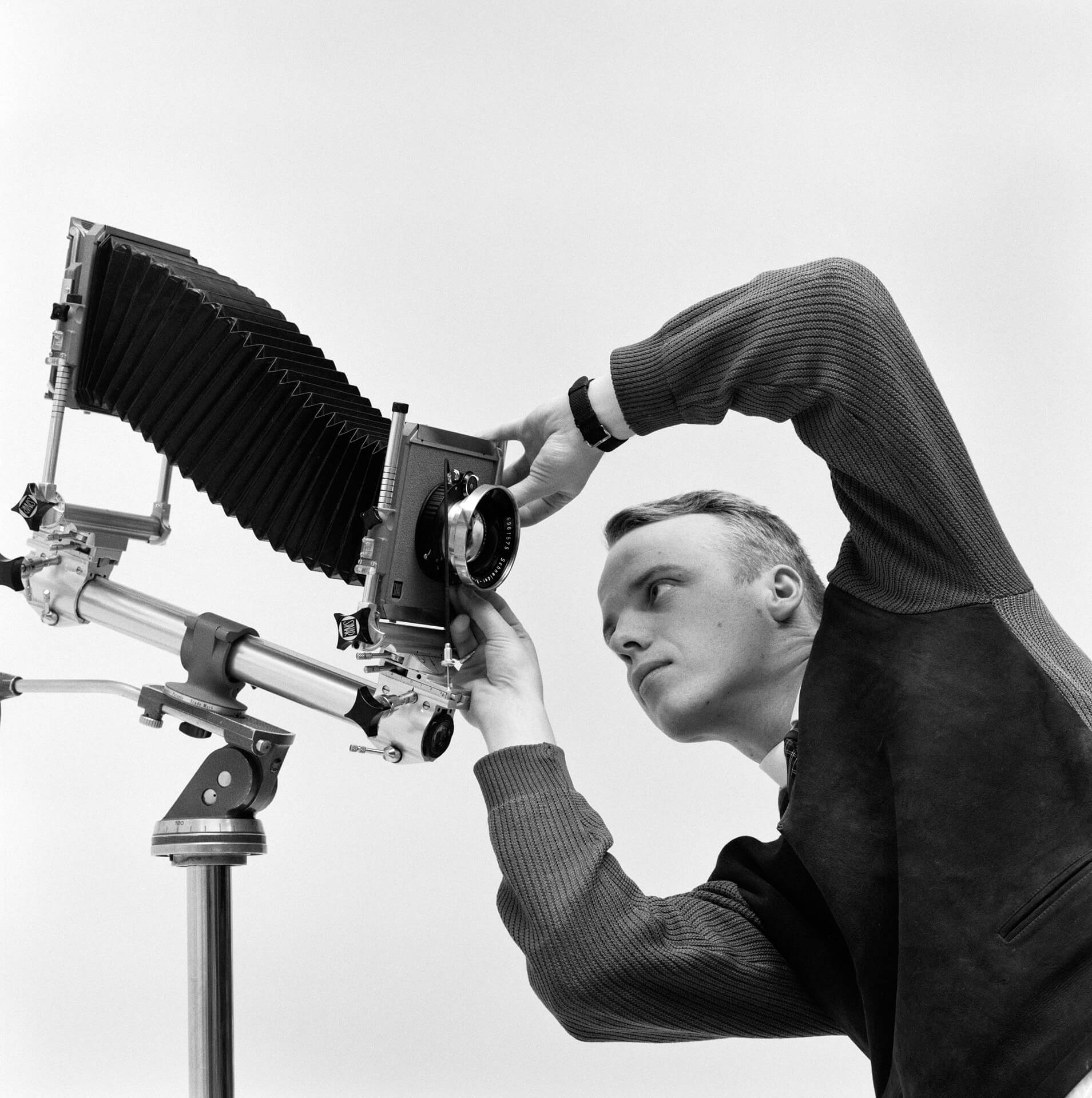
1. Knudsen's Photo Studio
– Photo Knudsen, NTM
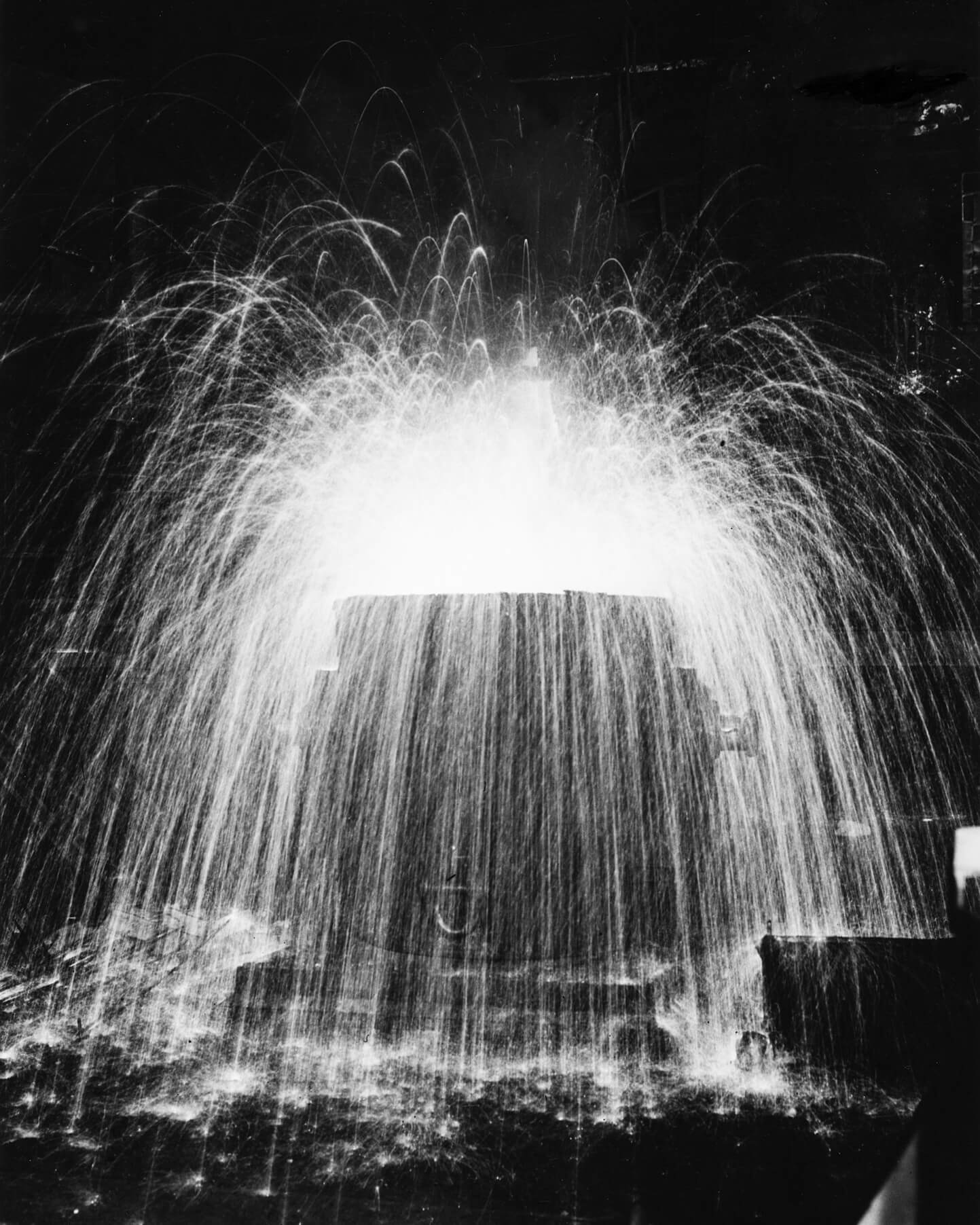
2. Christiania Spigerverk
– Photo Unknown, NTM
Photographs of work are always created with a purpose. They can be commissioned by companies, used in marketing, document undesirable conditions, be part of training or function as personal memories from a long working life. This exhibition includes images from Radionette and Merkur, which illuminate different aspects of Norwegian industrial history – from pride and professional development to production requirements, working environment and labour policy.
The images are also the result of professional craftsmanship. The photographers behind them were employees of established photo studios with clear assignments and clear goals, not freelance photographers on assignment. Frits Solvang, Teigen's photo studio and Knudsen's photo center are behind a large part of the museum's collection. Their work forms the core of the exhibition and shows how photography itself is part of the working life it depicts.


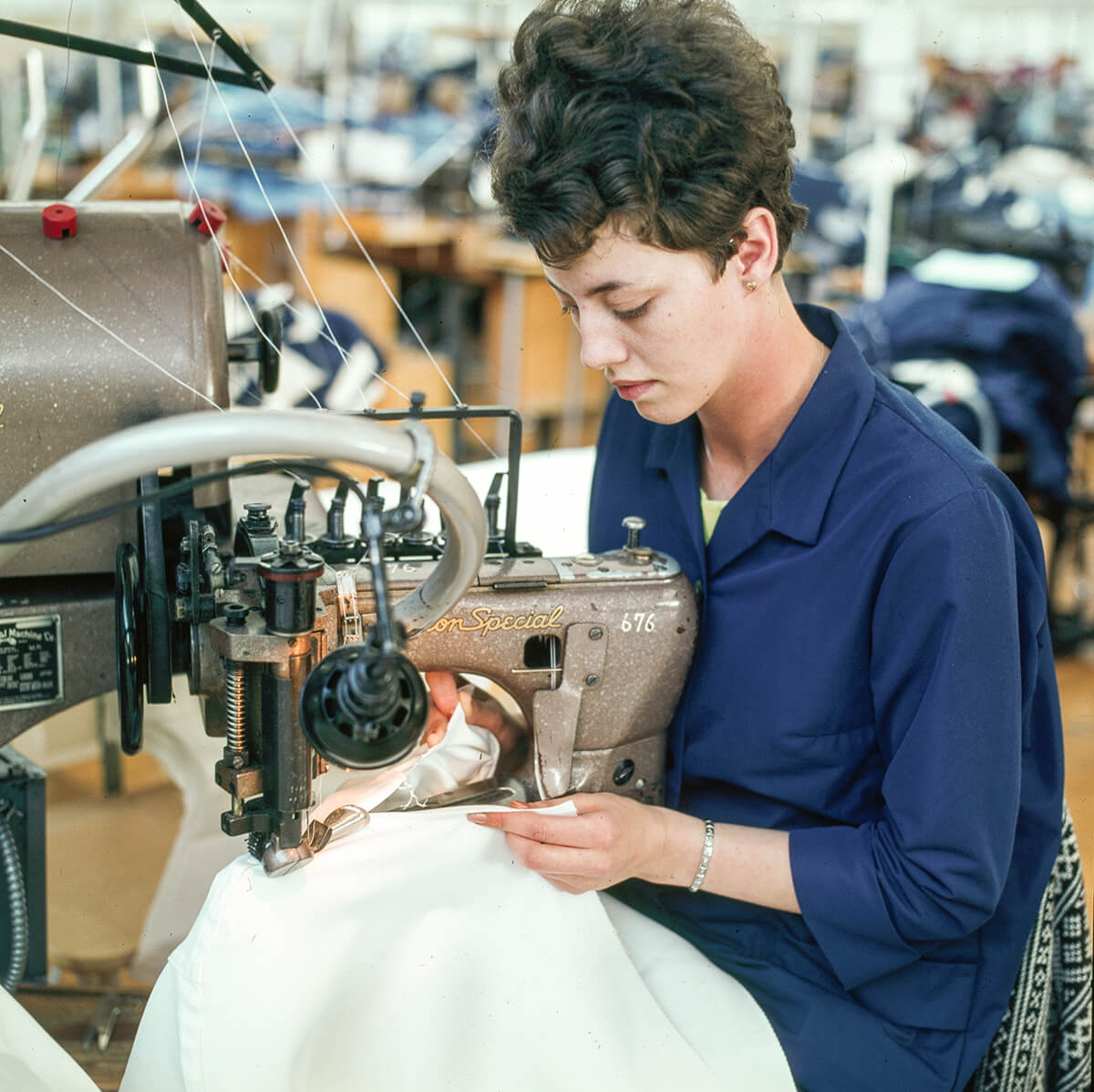
1. Øglænd
– Photo Knudsen, NTM
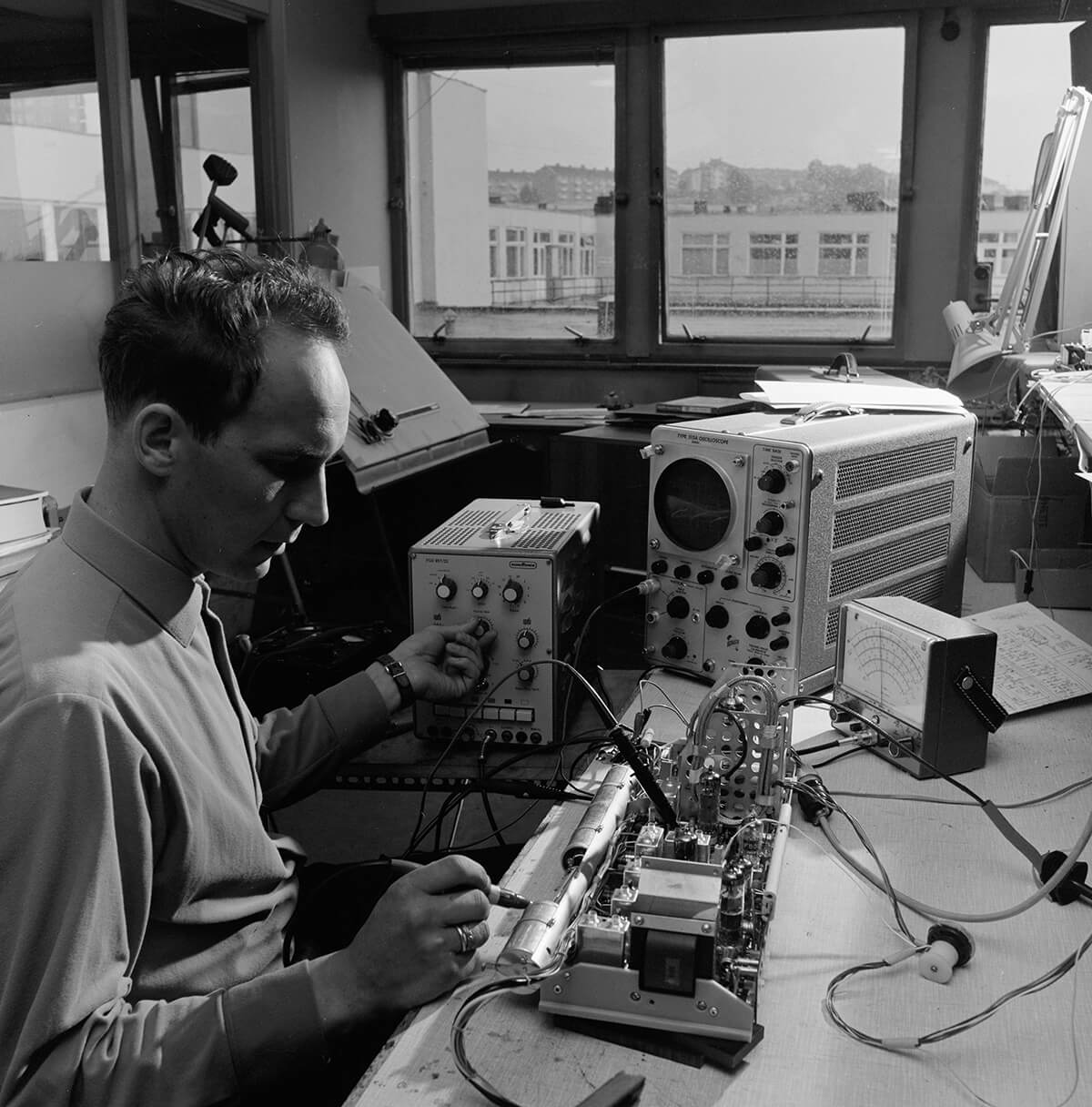
2.Merkur Book Printing
– Photo by Teigen, NTM
Central to the exhibition is the so-called “flyttblokka”. Variants of this will travel to other places such as public libraries and cultural centers to display images from local cornerstone businesses. The flyttblokka was developed by the museum’s technicians and is a flexible and mobile way to display photographs. The flyttblokka constitutes a spatial element that one walks around to explore the photographs, and can be adapted to rooms of different sizes.


Exhibition opening
– Photo Bergseth, NTM
Images of work can spark conversations. We recognize processes we have been a part of ourselves or recognize the name of a company our parents or grandparents worked for. Visiting a museum is a social activity. It is something we do together with others. The images in the exhibition can be a trigger for conversations across lived lives. It is a starting point for developing ways of talking in and through images. In developing the exhibition, the project group has invited conversations about photographs around the museum, now we invite our visitors to talk to us and to each other in the exhibition. Through these conversations we want to expand our knowledge of photography as a conversation tool.
Invisible present
Photography and work are a central theme in the brand new Norwegian photo book Invisible Present: About how photography has changed Norway after 1945. The book describes how photography has shaped Norwegian society, both politically, economically and culturally. The photographic industry has undergone major changes since World War II. In the early post-war period, the industry was characterized by shortages of goods and import restrictions, while efficiency and industrial operation grew with central laboratories and chain formations throughout the 1960s and 70s. In the early 2000s, the business model of large parts of the industry collapsed in the face of digital technology.


The dye laboratory
– Photo Schrøder, Sverresborg Trøndelag Folk Museum
At the same time, photography has also been an important tool in working life - in very different ways. For example, photography was considered a vital tool in the fight against tuberculosis, and in the 1940s and 1950s, all Norwegian residents were required by law to take screenshots. Photography could also be used in case processing and document everything from burst water pipes to glaciers, not to mention many a company party or anniversary. Read more about the use of photography to automate telephone bills, the shift of housewives in photo laboratories and much, much more in Usynlig til stede.