The world's first Porsche was an electric car
The Lohner-Porsche shows how far the development of the electric car had come already at the beginning of the 20th century. The car was built by Ferdinand Porsche for the coachbuilder Lohner and had batteries and electric motors in the front wheels. The Norwegian Museum of Science and Technology 's example is one of very few such cars that exist today. You can see the Lohner-Porsche in the transport exhibition at The Norwegian Museum of Science and Technology .
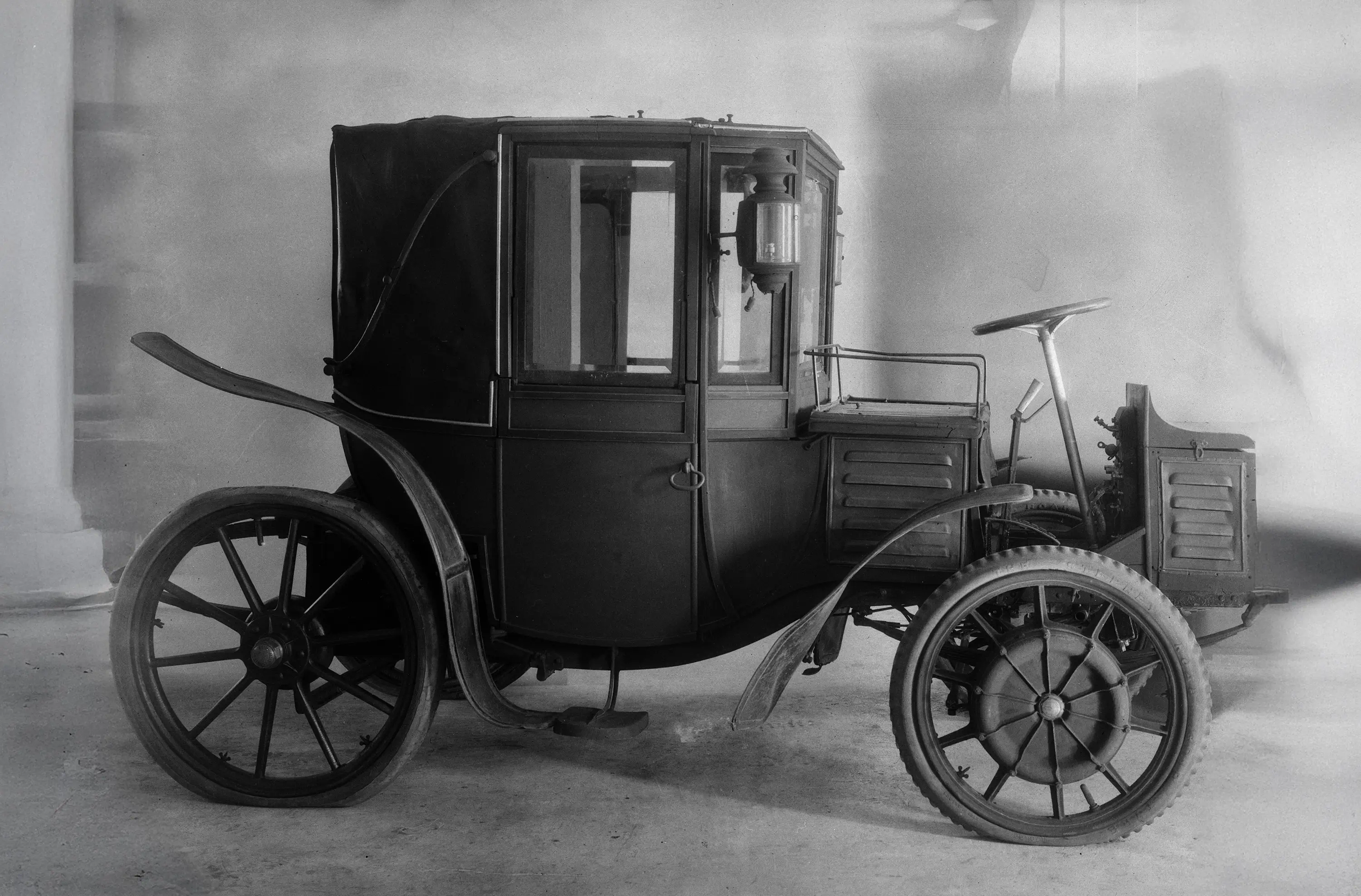
Lohner Porsche the world's first electric car.
– Photo: NTM
The women's car?
A hundred years ago, electric cars were a fairly common sight in Kristiania. In 1921, there were 162 registered electric cars in the capital, of which 30 were passenger cars. Some of them were owned by women. Was it a coincidence, or was the electric car seen as particularly suitable for female drivers?
The Norwegian electric car Think
Think was a Norwegian car brand that was produced between 1999 and 2011. The Think City was a small, two-seater electric city car that was mass-produced from 1999 at Think Nordic in Aurskog-Høland. The venture built on the company Pivco, which had produced the electric car City Bee from 1990.
The Norwegian electric car was not met with enthusiasm. Former Think designer Katinka von der Lippe has told the Norwegian Electric Car Association that in the beginning there was a lot of ridicule and mockery. Think was seen as a small "plastic car" and many did not believe that the electric car was the future.
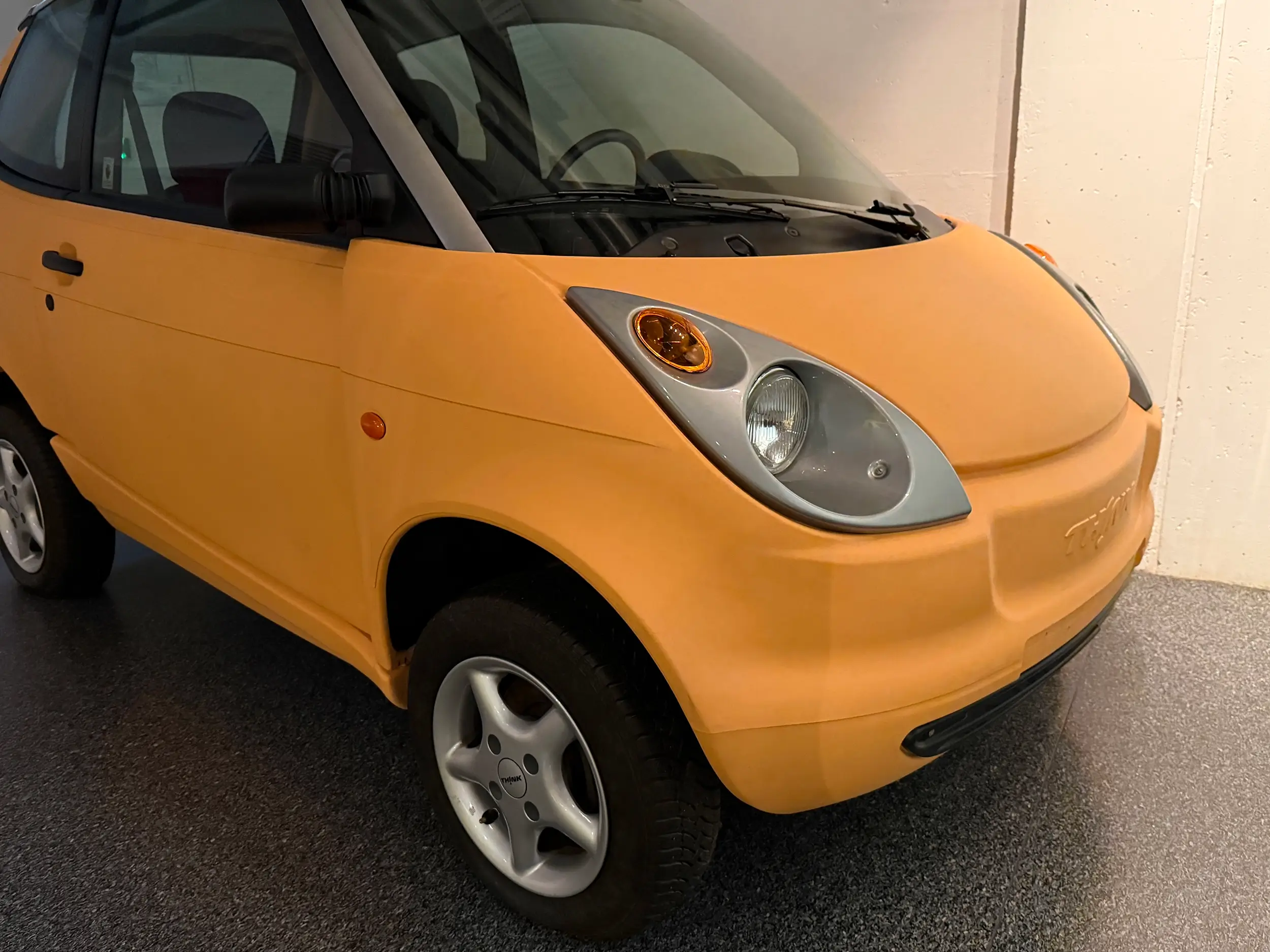
The electric car Think in Plastic exhibition at The Norwegian Museum of Science and Technology .
– Photo: Jill Bottolfsen
In 2002, Ford decided to end its electric car venture and sell the Think factory. But the story was not over. In 2007, there was again great interest in the Norwegian electric car. Think raised 25 million dollars from Norwegian and foreign investors. Among the Norwegian investors were Petter Sundt, Stein Erik Hagen and Petter Stordalen.
After several changes of ownership and financial problems, the story continued until 2011, when production ceased and the company again filed for bankruptcy. Think can be seen in the Plastics Exhibition at The Norwegian Museum of Science and Technology .
Mitsubishi i-MiEV
The Mitsubishi i-MiEV entered the Norwegian market towards the end of 2010 and really accelerated electric car sales in Norway. In 2011, 1,040 of the electric cars sold in Norway were i-MiEVs – a full 52 percent of the market.
The small four-seater electric car was primarily designed for city driving and could travel around 150 kilometers between charges. The i-MiEV had a 16 kilowatt-hour battery.
Together with its sister models Peugeot iOn and Citroën C-Zero, the i-MiEV was the first mass-produced electric car with DC fast charging.
Nissan Leaf
The Nissan Leaf was launched in 2010 and is considered by many to be the world's first mass-produced electric car. The first generation was delivered in Japan and the US from December of that year.
The Leaf has long been the best-selling electric car model in the world. By 2023, over 650,000 cars had been sold since its launch, and in Norway over 77,000 had been sold by mid-2023.
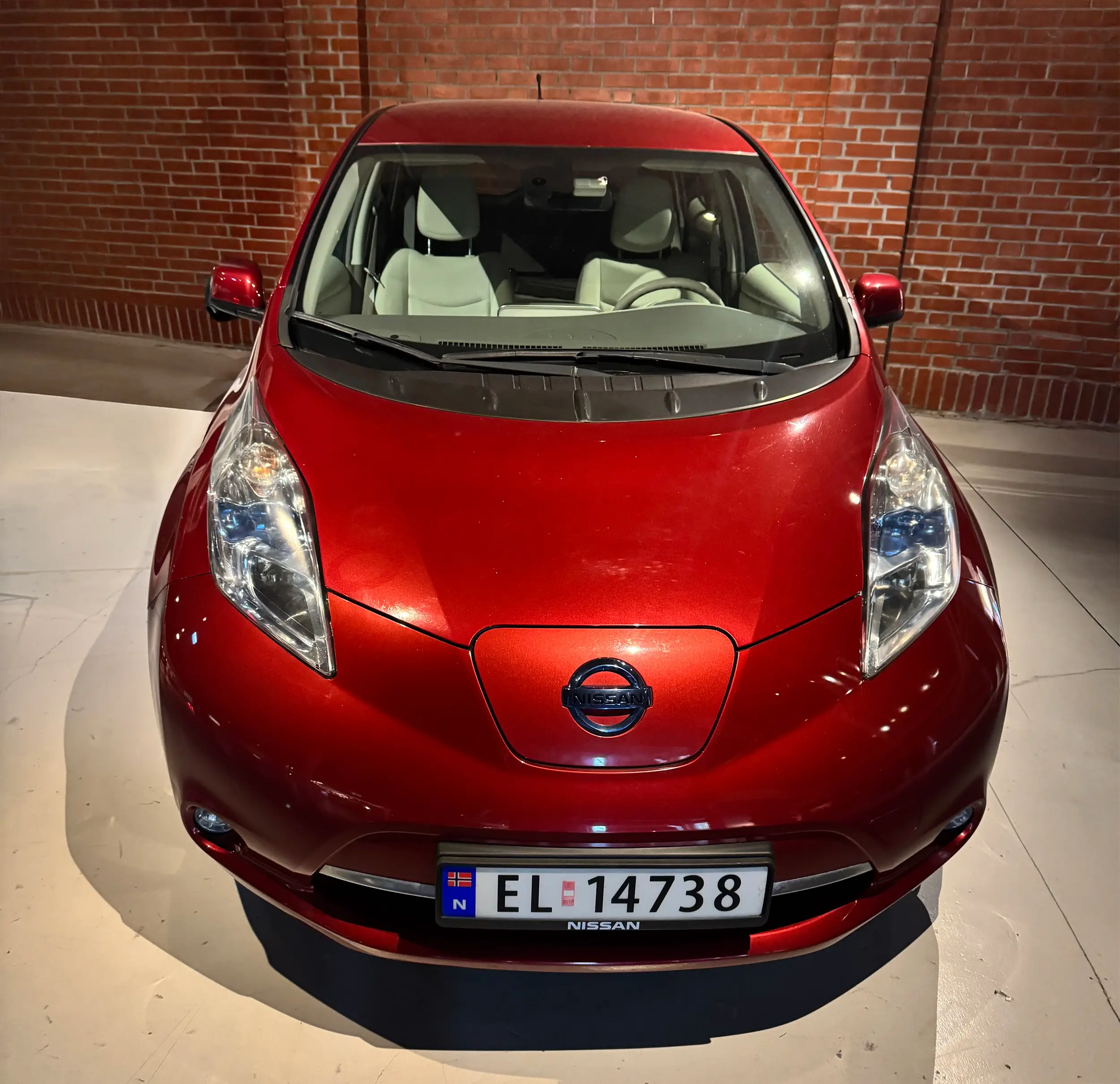
The electric car Nissan Leaf.
– Photo: Laila Andersen
In 2011, the Nissan Leaf was named both World Car of the Year and European Car of the Year. A 2017 model had a 40 kilowatt-hour battery and a claimed range of 400 kilometers. Under realistic driving conditions, the range was around 240 kilometers. The battery could be fast-charged to 80 percent in 40 minutes. A Nissan Leaf is now on display in the transport hall at.
Norway's first fast charger
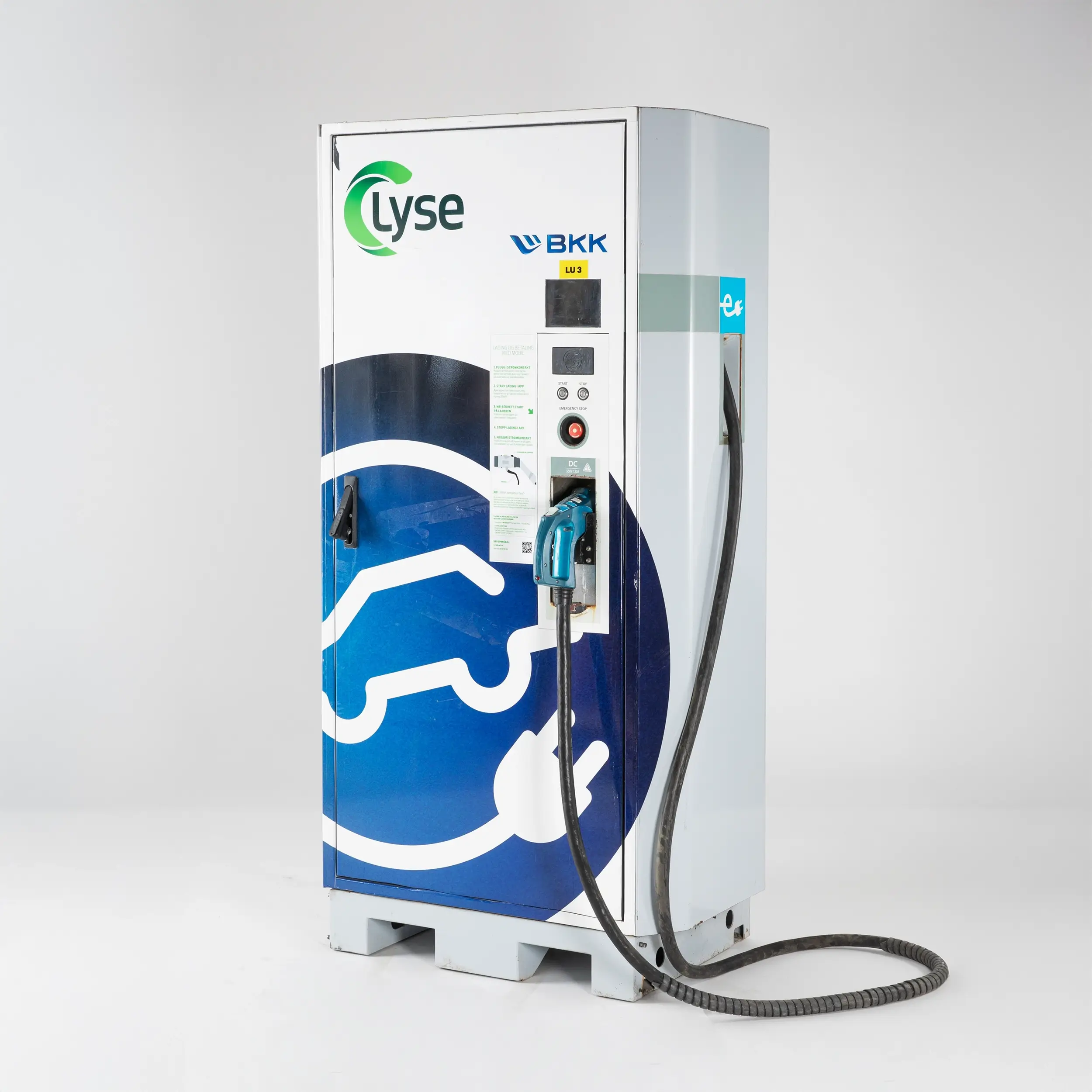
The Norwegian Museum of Science and Technology 's collection contains Norway's first mass-produced fast charger for electric cars that was put into commercial operation. It was put into use in Luravika in Sandnes on 13 April 2011 and officially opened by the then Minister of Transport and Communications Magnhild Meltveit Kleppa on 26 April of the same year. The Minister arrived in an electric Peugeot iOn.
The charger was manufactured by ABB, then Epyon, in the Netherlands and delivered to Lyse. It was based on the CHAdeMO solution and was in operation until November 2017. In 2022, it was donated to The Norwegian Museum of Science and Technology. Today, the charging story continues outside the museum with eight chargers from Kople ready for use.
Summer cottages designed by unknown architects.
– Photo: NTM


